
Dating My Daughter
Play Dating My Daughter
Dating My Daughter Screenshots




















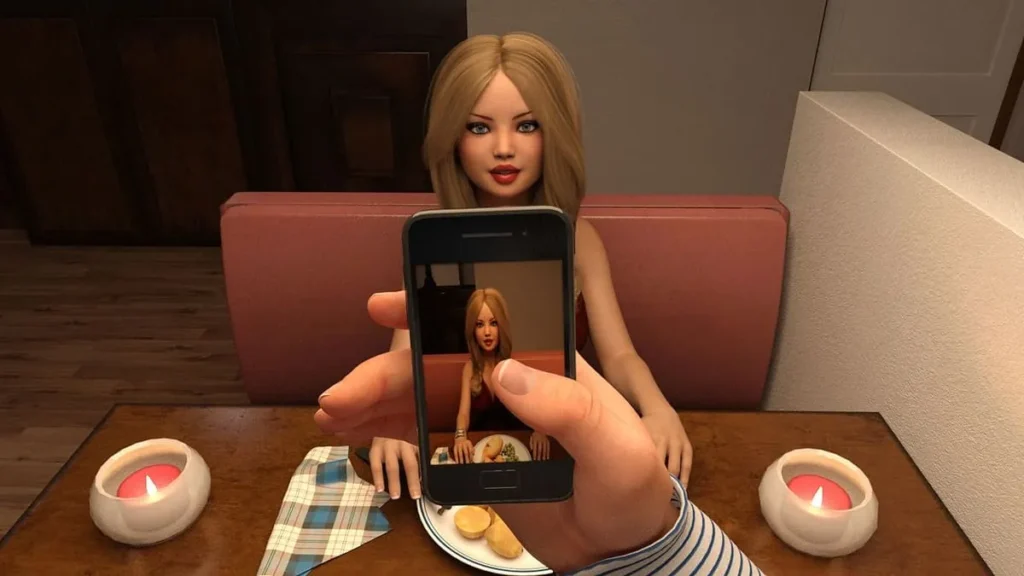




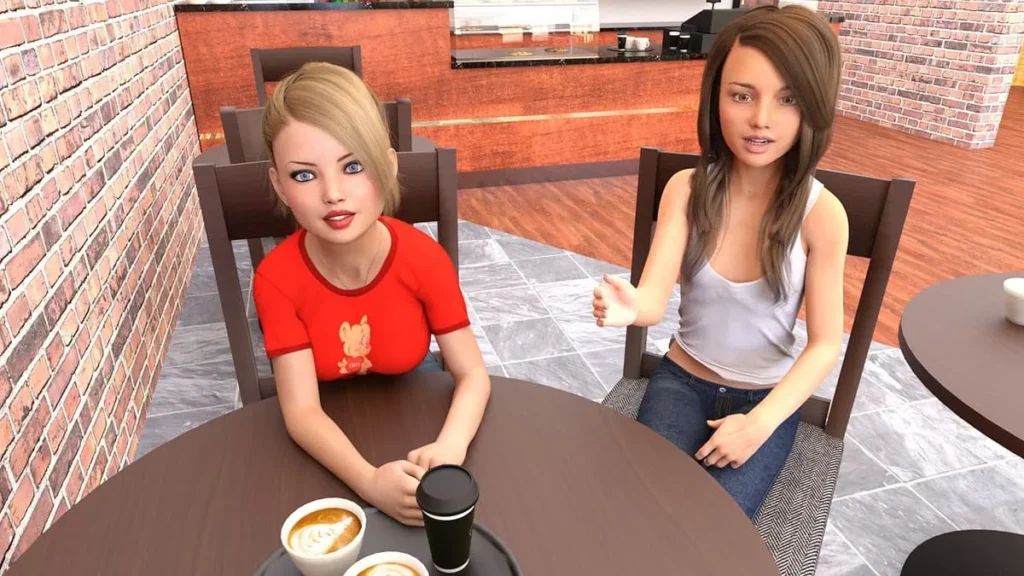
Dating My Daughter review
Story, choices, endings and practical tips for enjoying Dating My Daughter responsibly
Dating My Daughter is an adult visual novel that mixes slow-burn storytelling with highly charged decision-making. Players are drawn in by its emotional narrative, branching paths, and the promise that every choice can reshape the relationship at the heart of the game. In this guide, we’ll walk through how Dating My Daughter is structured, what kind of experience you can realistically expect, and how to approach it in a thoughtful, responsible way. I’ll share personal impressions, examples from typical playthroughs, and practical advice so you can decide if this game fits your tastes and values before you invest hours into it.
What Is Dating My Daughter Game Really About?
Let’s cut straight to the point. If you’ve heard whispers about the Dating My Daughter game, your mind might already be racing with assumptions. 🤔 It’s a title that generates instant curiosity, confusion, and often, strong opinions. But before you judge the book by its deliberately provocative cover, it’s crucial to understand what is Dating My Daughter at its core.
Put simply, Dating My Daughter is an adult-themed visual novel. It’s not an action game, a puzzle platformer, or a dating sim in the traditional sense. Think of it more as an interactive, choose-your-own-adventure story where your decisions directly chart the course of a complicated, emotionally charged narrative. The gameplay is about reading, choosing, and living with the consequences.
So, let’s pull back the curtain and get a real, honest look at the story, the format, and the kind of player who might actually find value in this experience.
Story overview and main characters in Dating My Daughter
The Dating My Daughter story begins with a premise of reconnection and unresolved history. You play as a middle-aged man who has been absent from his daughter’s life for nearly two decades. Through circumstances that unfold in the game, you are suddenly back in the picture, faced with the young woman your little girl has become.
The core objective isn’t conquest; it’s rebuilding. You’re tasked with mending a fragile, broken relationship that’s laden with years of distance, missed birthdays, and unspoken hurt. Your “daughter” (her name is revealed early on, but let’s avoid spoilers) is rightfully cautious, skeptical, and emotionally guarded. She’s not a mere object of affection but a fully realized character with her own life, friends, dreams, and deep-seated trust issues.
The cast of Dating My Daughter characters extends beyond just the two of you. You’ll interact with her friends, love interests, and other family members, all of whom shape her worldview and react to your re-entry into her life. These interactions are key—they can create alliances, fuel jealousy, or open old wounds. The narrative digs into themes of personal vulnerability, the awkwardness of restarting a familial bond as adults, and the slow, sometimes painful process of earning trust.
This Dating My Daughter overview is vital because it frames the entire experience. The “dating” in the title is as much about “getting to know” your daughter as it is about any romantic subtext. The story explores what happens when two strangers, bound by blood, try to become family again, and how easily those lines can blur when emotions run high.
How the visual novel format shapes the Dating My Daughter experience
Understanding that this is a Dating My Daughter visual novel is the single most important key to knowing what you’re getting into. If you’re expecting quick-time events or mini-games, you’ll be disappointed. This format is all about the written word, character expression, and player choice.
Here’s how it typically works: You read through dialogue and descriptive text, accompanied by static (or lightly animated) character artwork and background scenes. At critical junctures, you’re presented with a list of dialogue options or actions. Do you ask a probing personal question, or keep it light and casual? Do you offer heartfelt advice, or make a flippant joke? Do you intervene in her personal life, or take a step back?
A quick personal story: I remember the first “family dinner” scene vividly. 🍝 The conversation was stiff, laden with awkward pauses. The game presented me with simple choices like “Ask about her job” or “Comment on the food.” I chose to ask about her work, genuinely. Her response shifted from a one-word answer to a short, passionate rant about a difficult colleague. My next choice was to either sympathize or dismiss it as office drama. I sympathized. The scene’s tone changed entirely—the background music softened, her character sprite’s expression warmed from neutral to a slight smile. That’s when it clicked. This Dating My Daughter game wasn’t about skipping text to get to “scenes”; it was about these tiny, cumulative moments of connection. It made me slow down and actually read.
The pacing is deliberately slow and episodic, mirroring real relationship building. You’ll have conversations that go nowhere, moments of progress followed by setbacks, and emotional payoffs that feel earned because of the history you’ve built through your choices. The Dating My Daughter story branches significantly. Early, seemingly innocuous decisions can lock you out of entire character routes or plot threads later, encouraging multiple playthroughs to see all possible outcomes.
To visualize the weight of your choices, here’s a simple breakdown of how a typical interaction tree might flow:
| Your Choice At Dinner | Immediate Reaction | Potential Long-term Story Branch |
|---|---|---|
| “You look tired. Is everything okay?” | Daughter opens up slightly about stress. Trust +1 | Unlocks a later option to offer supportive help, deepening emotional intimacy. |
| “This pasta is amazing!” | Daughter smiles politely. Relationship +0 | Keeps conversation neutral; maintains status quo without risk or reward. |
| “So, seeing anyone special?” | Daughter becomes defensive, asks why you’re prying. Trust -2 | May trigger a later argument about boundaries, pushing her toward other confidants. |
This structure makes the Dating My Daughter visual novel an experience focused on emotional cause and effect. You’re not just watching a story about complicated family dynamics; you’re actively, and responsibly, navigating them.
Who is Dating My Daughter actually made for?
This is the million-dollar question, and answering it honestly is crucial. The Dating My Daughter game is not a mainstream title for everyone. Its content is designed for a mature audience, and I don’t just mean an “18+” label. It requires a specific kind of engagement.
So, who is Dating My Daughter for?
Primarily, it’s for players who seek out narrative-driven, adult-oriented experiences. Think of it as a piece of provocative fiction you interact with. It appeals to those who:
* Enjoy complex stories: Players who like slow-burn plots, character development, and morally grey situations.
* Love branching paths: The replay value is high for those who want to explore “what if?” by making different choices.
* Appreciate emotional tension: The game is a masterclass in building awkward, heartfelt, and sometimes cringe-worthy interpersonal moments.
You need to bring emotional maturity and critical thinking to the table. The most rewarding way to approach this Dating My Daughter story is not as a titillating fantasy, but as a serious narrative thought experiment. It asks difficult questions about family, abandonment, forgiveness, and the boundaries of rekindled relationships. Some players engage with it to analyze these themes, much like one would watch a intense drama film.
It is absolutely not for players who are easily offended, uncomfortable with its central premise, or looking for lighthearted fun. You need to be able to separate the fictional narrative from real-world morality to engage with it on its own terms.
In short, the target audience for Dating My Daughter is the narrative adventurer—the player who isn’t afraid of uncomfortable stories and who understands that a game can be a vehicle for exploring challenging human dynamics, even if you don’t personally agree with the characters’ choices.
If that sounds like you, then understanding this Dating My Daughter overview is your first step. You’re not jumping into a simple game; you’re preparing to steer a complex, emotional narrative where every word matters.
To wrap up this chapter, let’s be clear on the main draws of this experience:
- Story Focus: It’s a compelling, character-driven drama about rebuilding a broken family bond.
- Branching Choices: Your decisions have real, lasting consequences on relationships and endings.
- Emotional Tension: The game expertly crafts moments of awkwardness, vulnerability, and hard-won connection.
Now that you have a solid grasp on what the Dating My Daughter game is really about, you can make an informed decision on whether you want to dive deeper into the strategies, tips, and detailed discussions about its many paths and endings. 🎮
Dating My Daughter is not a quick, casual title you finish in an evening; it’s a slow, branching story that asks you to sit with uncomfortable decisions and live with the consequences. If you decide to try it, go in knowing that the real hook is the unfolding relationship, the emotional tone of each scene, and the way small choices can snowball into very different outcomes. Approach the game consciously, decide ahead of time how you want to role-play your character, and check in with yourself about what you’re getting out of the experience. If the premise and format appeal to you and you play with intention, Dating My Daughter can be an intense, thought-provoking journey rather than just another forgettable download.