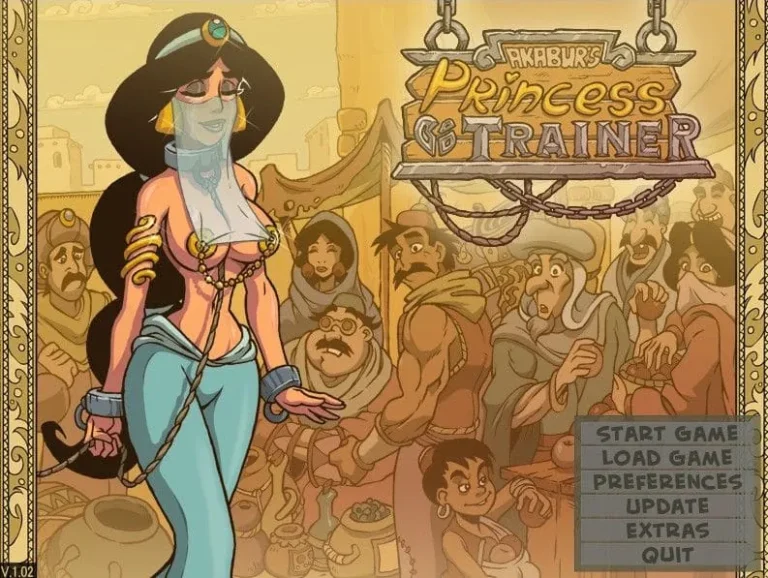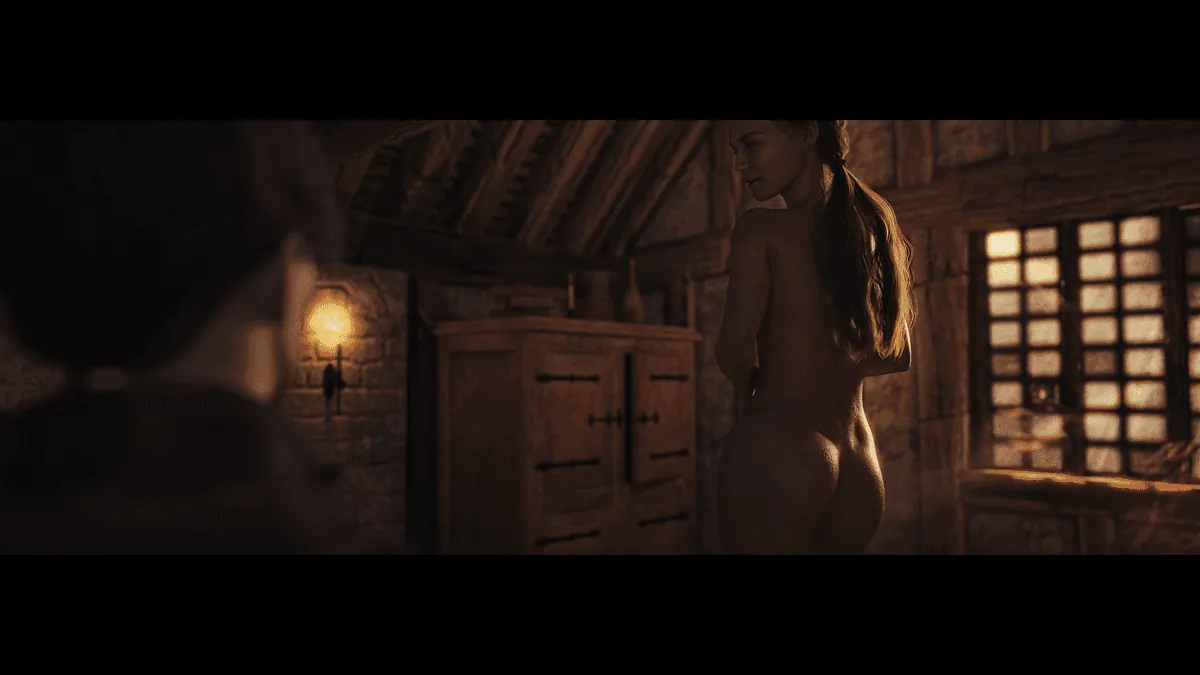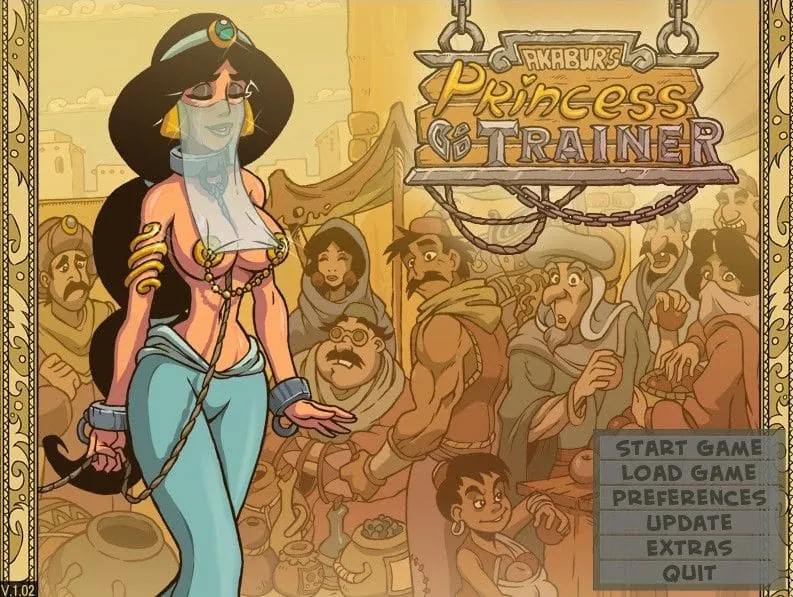
Princess Trainer Gold Edition
Play Princess Trainer Gold Edition
Princess Trainer Gold Edition Screenshots


Princess Trainer Gold Edition review
Master mechanics, quests, and character progression in this simulation adventure
Princess Trainer Gold Edition is a captivating simulation game that blends adventure, character development, and strategic gameplay into an immersive experience. This guide explores the core mechanics that make the game engaging, from daily time management to relationship systems and character stat progression. Whether you’re new to the game or looking to optimize your playthrough, understanding how these interconnected systems work together is essential for success. Learn how to navigate the world, manage resources, complete quests, and unlock unique story branches that shape your journey through this rich narrative experience.
Understanding Core Gameplay Mechanics in Princess Trainer Gold Edition
So, you’ve stepped into the vibrant, chaotic world of Princess Trainer Gold Edition and are suddenly faced with a map full of locations, a princess who needs… guidance 😅, and a daily clock that seems to tick down far too quickly. I remember my first playthrough vividly. I spent days just clicking around, buying random things, and wondering why the story wasn’t moving forward. I was treating it like a simple visual novel, not the deeply strategic simulation adventure it truly is.
That’s the secret right there. To truly master this game, you don’t just play it—you manage it. Every click, every dinar, and every conversation is a resource. This chapter is your blueprint. We’re going to break down the core Princess Trainer Gold Edition mechanics that form the engine of the entire experience. From the foundational point-and-click gameplay to the crucial daily cycle time management, understanding these systems is the difference between floundering and flourishing. Let’s get you from confused new trainer to a strategic master.
How Point-and-Click Navigation Works
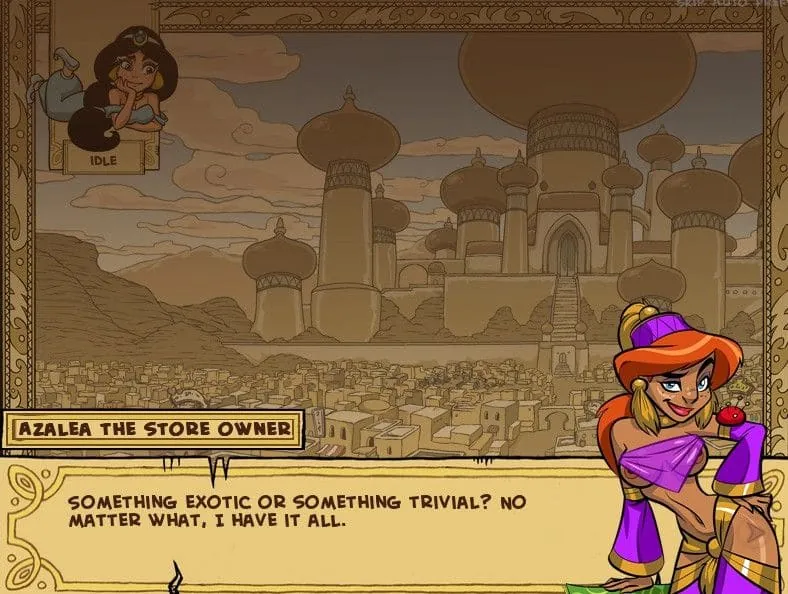
At its heart, the point-and-click gameplay of Princess Trainer Gold Edition is beautifully simple and deceptively deep. You won’t be wrestling with complex control schemes here. The entire world is accessed through a central map screen, presenting you with icons for key locations like the Palace, the Market, the Slave Quarters, and the City. Your interaction is menu-based: you click a location, and you’re presented with a list of available actions and characters.
Think of it as your command center. 👩💻 Want to talk to Jasmine? Go to the Palace and select her name. Need to earn some dinars? Head to the City and choose a job. This elegant system keeps the focus squarely on your decisions, not on pixel-hunting for hidden items. However, the strategic depth comes from what those actions cost you—primarily, your most precious resource: time.
A practical tip I learned the hard way: always check a location’s action list thoroughly. Sometimes, visiting the Market isn’t just about shopping; a specific character might be there only on certain days or after certain story flags are triggered. The point-and-click gameplay interface is your lens into the game world, and learning to read its subtle cues—like which actions are greyed out and why—is your first step toward mastery. It’s the calm, methodical surface over a sea of strategic planning.
Daily Cycle Time Management System
This is where the real game begins. The daily cycle time management system in Princess Trainer Gold Edition is the pulsating heart that gives every decision weight. Each day is split into three segments: Morning, Afternoon, and Evening. You get one significant action per segment. That’s it. Just three meaningful moves before the clock resets.
This limitation forces you to become a master planner. 🗓️ You can’t do everything in one day. Do you spend the morning training Jasmine’s Intelligence, the afternoon working at the tavern to earn dinars, and the evening trying to boost your relationship with another character? Or is today the day you focus entirely on a multi-part quest? Early on, I’d often waste an entire day because I forgot that a specific shopkeeper is only available in the afternoon, or that a story event required Jasmine to be unattended in her room.
The brilliance of this daily cycle time management is how it intertwines with every other system. Your stats don’t increase by themselves—they require time. Relationships don’t build passively—they require time. Earning dinars? You guessed it: time. This creates a deliciously tense loop of prioritization that defines the Princess Trainer Gold Edition mechanics.
Pro Tip: Always start your day with a goal in mind. Are you saving for an expensive item? Grinding a stat to a threshold? Advancing a specific character’s story? Let that goal dictate your three actions.
Here are some strategic planning tips I live by for managing that limited daily time:
- Batch Your Errands: If you need to buy multiple items from the Market, try to get them all in one trip to save future action segments.
- Quest First, Grind Later: Some quests unlock new locations or income sources. Prioritizing these can make your grinding phases later much more efficient.
- Sync Your Stats: Look for activities that serve two purposes. Some training activities might also slightly increase affection, or a conversation might give a small stat boost.
- Plan Around Availability: Note which characters or services are only available at certain times of day. There’s no bigger waste than using an action to go somewhere only to find it “closed.”
- Don’t Neglect Rest: Some events or story branches only trigger if you choose to “Rest” for a segment, leaving Jasmine alone. This isn’t wasted time; it’s often a strategic requirement.
Character Stats and Progression Tracking
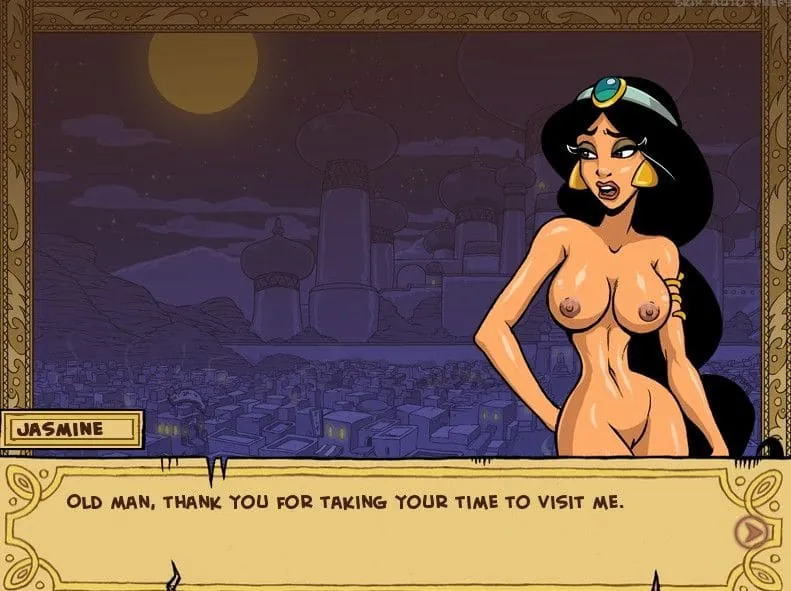
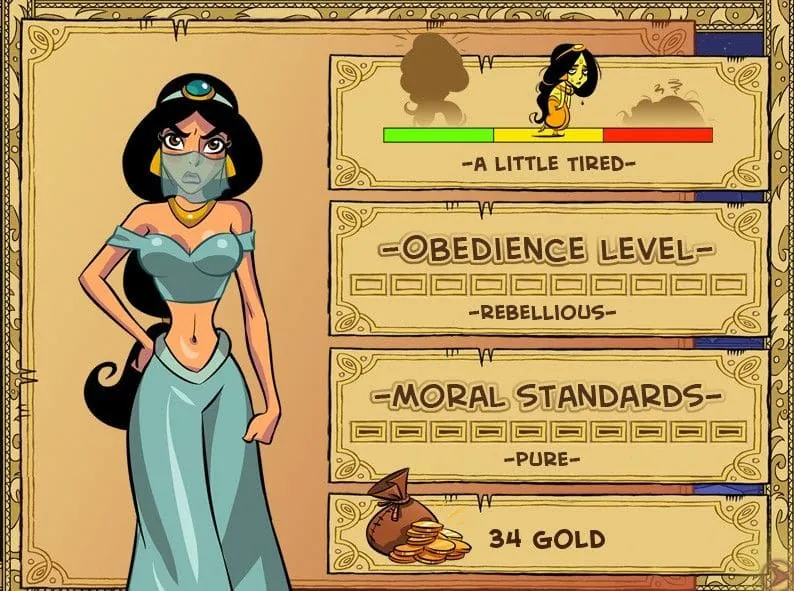
Jasmine’s journey is quantified through a clear but critical character stats progression system. These aren’t just numbers on a screen; they are the literal keys that unlock the story. The primary stats you’ll be managing are Intelligence, Obedience, and Libido (often represented as Corruption). Each stat represents a different facet of her “education” and opens up different narrative paths and interactions.
For instance, raising her Intelligence might allow for more sophisticated conversations and unlock certain story branches, while high Obedience is often a direct requirement for progressing her training in specific scenes. The game frequently places minimum stat thresholds on events. You might hit a wall in the story where nothing new happens until, say, Jasmine’s Obedience is at least 30. This gates content naturally and gives you a clear, grindable objective.
Tracking this character stats progression is straightforward—the game shows you the numbers. The strategy lies in how you raise them. Different activities yield different stat gains. Reading a book might give +2 Intelligence, while a specific training session might give +1 Obedience and +1 Libido. It’s about choosing the right tool for the job based on your current story goals. This system ensures that your journey with Jasmine feels personalized; a playthrough focused on scholarly pursuits will look and feel very different from another, all thanks to how you guide her character stats progression.
To see how these foundational systems work together, let’s look at a breakdown:
| Feature | Mechanic | Player Impact |
|---|---|---|
| Daily Cycle | Day split into 3 action segments (Morning, Afternoon, Evening). | Forces strategic prioritization and long-term planning. Every action has an opportunity cost. |
| Character Stats | Visible metrics like Intelligence, Obedience, and Libido that increase through specific actions. | Directly gates story content and dialogue options. Defines Jasmine’s development path. |
| Relationship System | Hidden affection values with key characters, influenced by dialogue and gifts. | Unlocks unique story scenes, quests, and endings. The primary driver of narrative branching. |
| Inventory Economy | Earn Dinars through jobs/events; spend on items, clothes, food, and story-critical bribes. | Financial limits directly control training speed and customization options. Managing cash flow is essential. |
Mastering Relationships and Dialogue Branches
Beyond the raw numbers of stats lies the true soul of the narrative: the relationship system affection mechanics. This is where the dialogue choices story branches become your most powerful tool. 🎭 Every major character has a hidden affection meter. While you can’t see the exact number, the game gives you feedback through their responses and the unlocking of new, more intimate scenes.
Your dialogue choices are the primary lever for this system. Choosing supportive, kind, or playful options with a character will generally raise their affection. Being dismissive, cruel, or purely transactional will lower it or lock you out of their personal story. But it’s not always straightforward! Sometimes, a character might respond better to firmness than to kindness, especially as their own story develops. This demands you pay attention and role-play your intended dynamic.
The magic happens when dialogue choices story branches intersect with stat requirements and affection flags. You might have the required Intelligence stat to discuss a complex topic with Jasmine, but if your affection with her isn’t high enough, that specific conversation branch still won’t appear. This layered approach creates a rich, reactive world where your cumulative choices feel meaningful. It’s not just one decision that changes the story; it’s the sum total of your behavior across the entire game.
The Inventory and Dinar Economy
Let’s talk money. 💰 The inventory economy dinars system is the practical engine that enables (or hinders) all your plans. Dinars are the universal currency, earned through menial jobs in the City, completing quests, or from certain story events. You will spend them on everything: books and tools for training, luxurious clothing that might affect conversations, food to keep Jasmine happy, and, most importantly, bribes and gifts that are often mandatory for quest progression.
This turns financial management into a core gameplay loop. Early on, you’ll feel the pinch. That expensive dress that might unlock a new scene with Jasmine costs the same as 10 training sessions. Do you invest for long-term story gain or spend on immediate stat boosts? I’ve restarted days because I realized I spent my last dinar on a frivolous item instead of the key needed to advance a plot thread.
Your inventory is more than a collection of items; it’s a toolbox. Some books can only be used at certain intelligence levels, some gifts are only effective on specific characters, and some quest items are useless until the right moment. Managing your inventory economy dinars effectively means always knowing what you have, what you need, and how much it will cost to bridge that gap. It’s a constant balance between your narrative desires and your budgetary reality.
Putting It All Together: A Strategic Symphony
The true genius of Princess Trainer Gold Edition mechanics is how these systems are not isolated features but interlocking gears. 🤯 Your daily cycle time management dictates how many stat-raising actions you can perform. Your character stats progression unlocks new dialogue choices. Those dialogue choices story branches increase relationship system affection, which opens quests that reward you with the inventory economy dinars needed to buy items that raise stats more efficiently. It’s a brilliant, closed loop of cause and effect.
Consider a practical example: You want to pursue a story branch with the Shopkeeper. A guide tells you it requires Jasmine’s Obedience to be 25+ and the Shopkeeper’s affection at a certain level. Your strategy might look like this:
1. Economy Phase: Spend several days doing high-paying jobs to amass dinars.
2. Stat Phase: Use some of those dinars to buy obedience-training items or pay for sessions, using your daily actions to grind the stat.
3. Relationship Phase: Visit the Shopkeeper, using affectionate dialogue choices and perhaps spending more dinars on a gift she likes.
4. Quest Phase: Once stats and affection are met, a new quest might trigger. This quest could require you to purchase a rare (and expensive) item from her, circling back to the economy phase.
And remember the final tactical twist: some quests require Jasmine’s presence, while others require you to be elsewhere, checking on events while she’s alone. This adds one more delicious layer to your daily cycle time management, forcing you to think about location and presence, not just action.
Mastering Princess Trainer Gold Edition is about seeing this bigger picture. It’s not a game you simply click through; it’s a simulation you orchestrate. By understanding the deep interplay between point-and-click gameplay, the relentless daily cycle time management, the gating character stats progression, the nuanced relationship system affection, the vital inventory economy dinars, and the branching dialogue choices story branches, you transform from a passive observer into the architect of your own unique, strategic, and deeply engaging adventure. Now go forth and plan your perfect day. Your princess awaits… your schedule. 👑
Princess Trainer Gold Edition offers a rich and engaging experience through its interconnected systems of time management, character progression, quest completion, and resource management. The game’s strength lies in how these mechanics work together to create meaningful player choices that impact story progression and character development. By understanding the daily cycle structure, mastering the relationship and stat systems, and strategically managing your resources, you can unlock the full depth of what the game offers. Whether you’re pursuing specific story branches, optimizing character stats, or simply enjoying the narrative journey, the systems described in this guide provide the foundation for a rewarding playthrough. Take time to explore different dialogue choices, experiment with various training approaches, and discover the multiple paths and endings available. Your decisions shape Jasmine’s transformation and determine which story branches you experience, making each playthrough unique and personal.