TableTop BornStar
Play TableTop BornStar
TableTop BornStar Screenshots

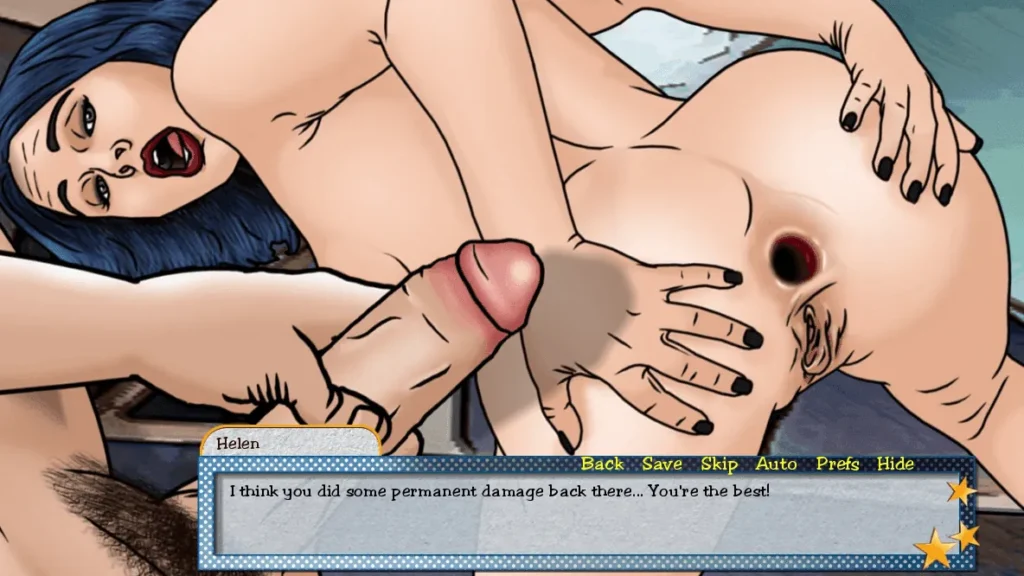


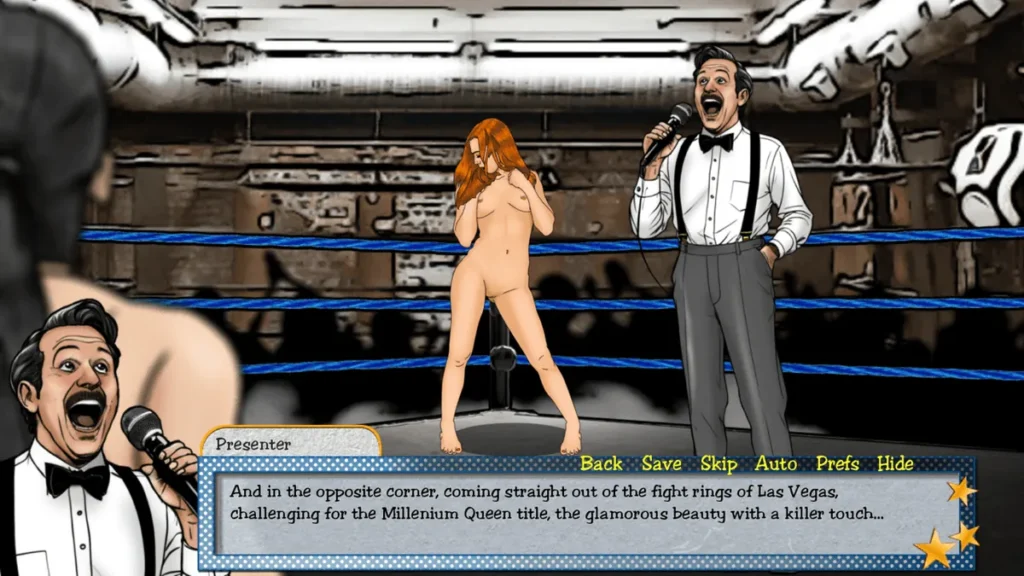

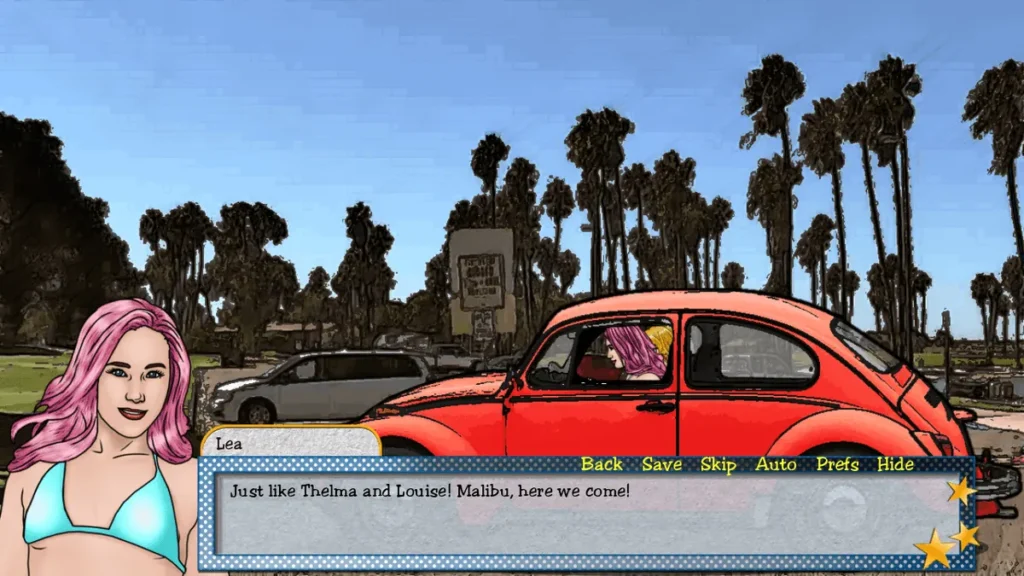
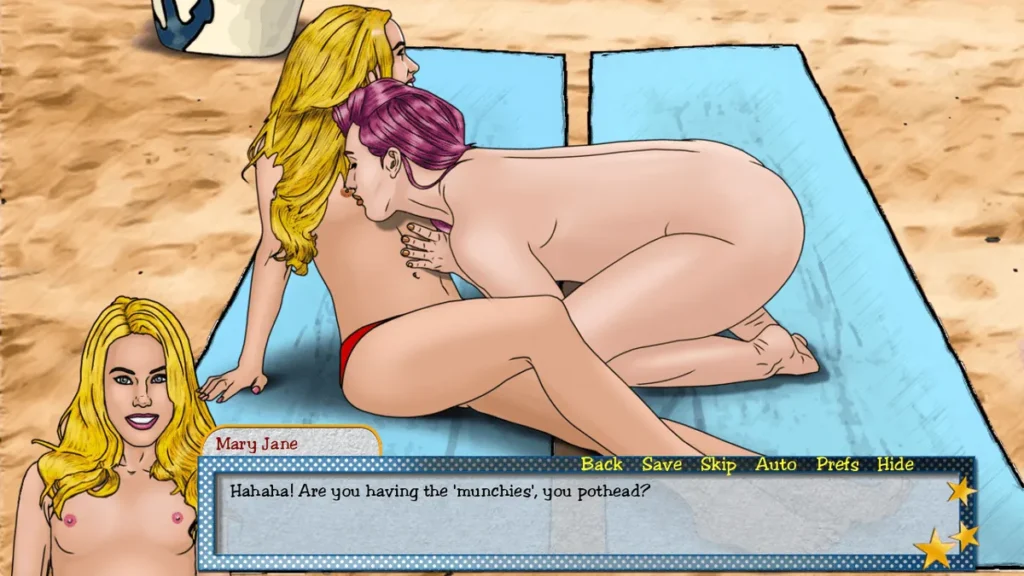





TableTop BornStar review
Explore the immersive adult visual novel combining tabletop gameplay in 1999 Hollywood
TableTop BornStar stands out as a unique gaming experience that merges adult visual novel storytelling with strategic tabletop mechanics. Set against the glittering backdrop of 1999 Hollywood, this game invites players into a world where choices genuinely matter. Whether you’re drawn to narrative-driven experiences or strategic gameplay involving dice and cards, TableTop BornStar delivers an engaging blend of both. The game challenges players to navigate moral complexities while guiding characters through the entertainment industry’s treacherous landscape. Understanding what makes this title distinctive helps players appreciate its innovative approach to interactive entertainment.
Understanding TableTop BornStar: Game Overview and Core Mechanics
Ever found yourself scrolling through endless game libraries, feeling like everything is either a mindless clicker or a story so linear you might as well be watching a movie? 🙄 I know I have. That’s why stumbling upon TableTop BornStar felt like uncovering a hidden gem in a pawn shop. It’s not just another game; it’s a full-blown, genre-bending experience that had me hooked from the first dice roll. If you’re tired of the same old formulas and crave something that truly engages your brain and your imagination, you’re in the right place.
Let’s pull back the curtain on this unique title. At its heart, TableTop BornStar is an adult visual novel with tabletop elements that drops you into the gritty, glamorous, and utterly ruthless world of 1999 Hollywood. You’re not just reading a story—you’re actively building it, decision by decision, dice roll by card draw. This interactive storytelling game asks a brilliant, loaded question: What if your path to success was literally in your hands, determined by the luck of the draw and the strategy of your play?
What Makes TableTop BornStar Unique in Adult Gaming
Let’s be real: the “adult gaming” space is often flooded with titles that prioritize one thing, and it’s not deep gameplay. TableTop BornStar flips that script entirely. 🎬 Here, “adult” means mature themes, complex relationships, high-stakes business dealings, and a narrative that isn’t afraid to get dark, funny, or morally ambiguous. The gameplay isn’t an afterthought; it’s the engine of the entire experience.
What truly sets it apart is its fearless hybrid nature. It doesn’t just tell a story, and it doesn’t just offer strategic play. It marries them in a way where each element elevates the other. Your success in the narrative is directly tied to your understanding and mastery of the TableTop BornStar gameplay mechanics. Fail a crucial dice roll during an audition? The story branches. Play the wrong social card at a party? A potential ally becomes a lifelong enemy. This isn’t a passive experience.
To really visualize how it stands out, let’s break it down compared to more traditional formats:
| Feature | Traditional Visual Novel | Standard Tabletop/Card Game | TableTop BornStar |
|---|---|---|---|
| Core Engagement | Passive reading, occasional binary choices. | Abstract strategy, resource management against rules. | Active co-creation of a narrative through strategic gameplay. |
| Player Agency | Limited to pre-written dialogue branches. | High within game rules, but often devoid of narrative weight. | High agency in both story outcome and mechanical success. |
| Progression System | Unlocking story routes or CG images. | Unlocking better cards or higher scores. | Developing character stats, story relationships, and your tactical deck simultaneously. |
| “Adult” Element | Often the primary focus and content driver. | Typically non-existent or thematic. | Integrated into a mature, industry-driven narrative of power, desire, and ambition. |
As you can see, it occupies a completely unique space. It demands your attention as a strategist and rewards your investment as a storyteller. It’s this seamless blend that makes the TableTop BornStar gameplay mechanics so compelling and fresh.
The Hybrid Gameplay Experience: Visual Novel Meets Tabletop Strategy
Alright, let’s get into the nuts and bolts. How does this actually work? Imagine sitting down for a tense session of Dungeons & Dragons, but instead of a dungeon map, your playing field is a screenplay party, and your character sheet is for an aspiring actress. That’s the vibe.
The core loop is brilliantly simple yet endlessly deep:
1. The Narrative Presents a Scenario: Mary Jane needs to nail an audition for a indie director known for his difficult methods.
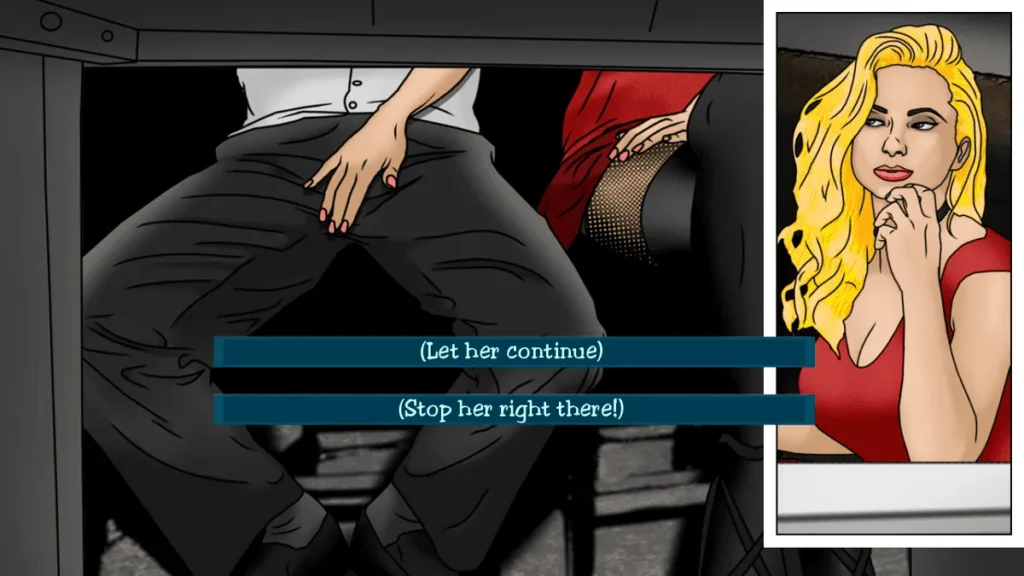
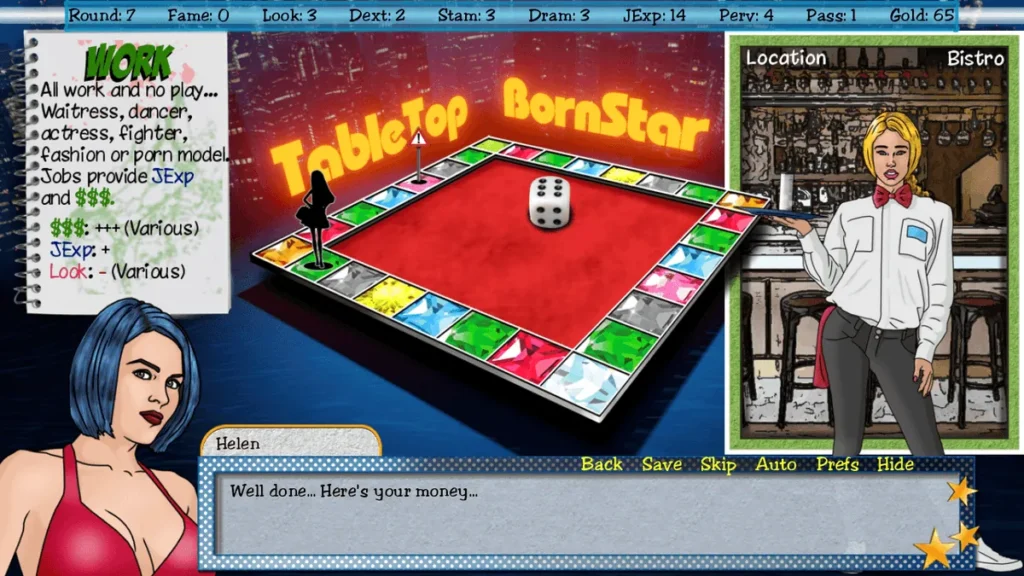
2. You Engage the Mechanics: The game shifts to a tabletop view. You must assemble a approach using your available resources. This is where the dice and card gameplay shines. You might play a “Method Acting” card from your hand, which requires a Charisma check, represented by a dice roll.
3. The Result Shapes the Story: The outcome of your roll—a critical success, a bare pass, or a messy failure—generates unique narrative consequences. A success might open a new story branch with the director; a failure might force you to lean on a shady contact for a favor, incurring a debt.
Your deck of cards is your toolbox. These aren’t just combat moves; they are social maneuvers, professional skills, emotional insights, and resource plays. Building and refining this deck is a huge part of the talent agent simulation. You’ll acquire new cards by networking, spending money, or advancing the story. Do you focus on a deck built around “Raw Talent” and high-risk dice rolls, or one centered on “Industry Connections” that manipulates the game’s resources?
The dice and card gameplay is never just a random obstacle. It’s the physical manifestation of chance and skill in the entertainment industry. Sometimes, pure luck (a natural 20 on a dice roll) will open a door no amount of strategy could. Other times, a clever combo of low-level cards can bypass a need for a risky roll entirely. This makes every session of this choice-driven narrative game feel dynamic, unpredictable, and deeply personal. Your playstyle directly writes your version of the story.
Setting the Scene: 1999 Hollywood and Your Role
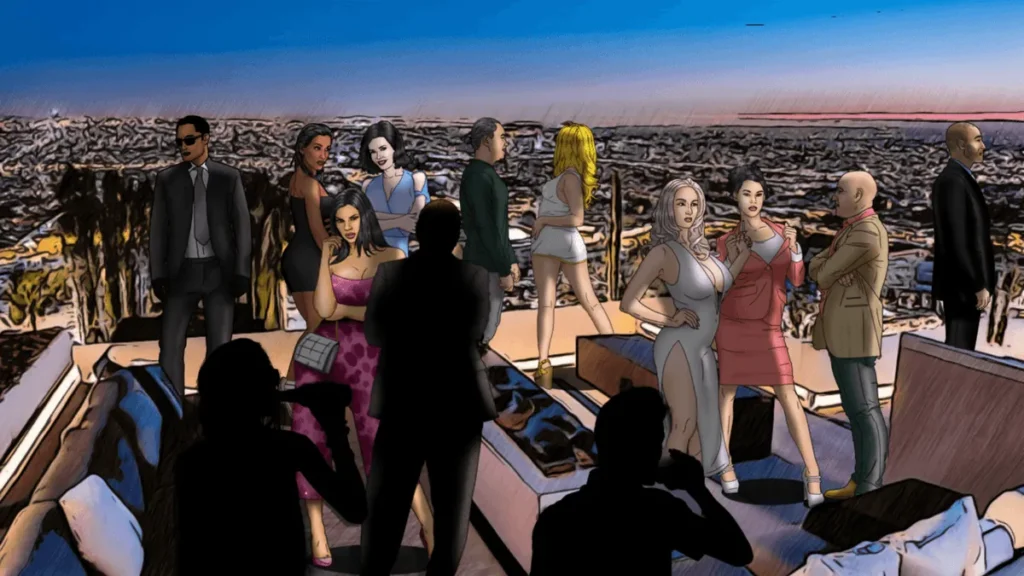
The 1999 Hollywood game setting isn’t just a backdrop; it’s a character in itself. 🎞️ We’re not in the shiny, digital era of streaming giants. This is the tail end of the blockbuster 90s, a time of cell phones the size of bricks, pagers, smoky industry parties, and the looming, unknown threat of Y2K. There’s a tangible sense of grit and possibility—the old studio system is crumbling, and hungry newcomers are fighting for a place in the new millennium.
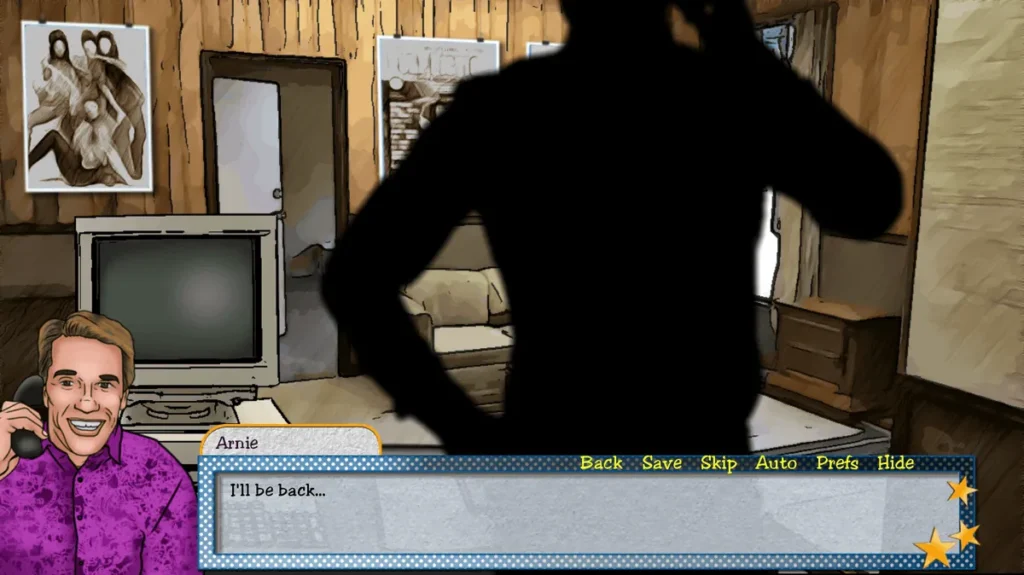
This is where you come in. You play a once-powerful talent agent, now disgraced and under house arrest due to a career-ending scandal (the details of which unfold deliciously over time). Your empire is reduced to a single, desperate client: Mary Jane, a young actress with undeniable potential but a life full of complications. From your cluttered home office, you must guide her career using every connection, trick, and shred of wisdom you have left.
Your role is the heart of the talent agent simulation. You’re not controlling Mary Jane directly like a puppet. You’re managing her career, making strategic decisions about which auditions to take, which roles to fight for, and which industry players to schmooze or sabotage. You’ll balance her finances, manage her public image, and help her navigate personal relationships that inevitably bleed into her professional life. The 1999 Hollywood game setting amplifies every challenge—without modern social media for quick publicity, your reputation is everything, built slowly and shattered instantly.
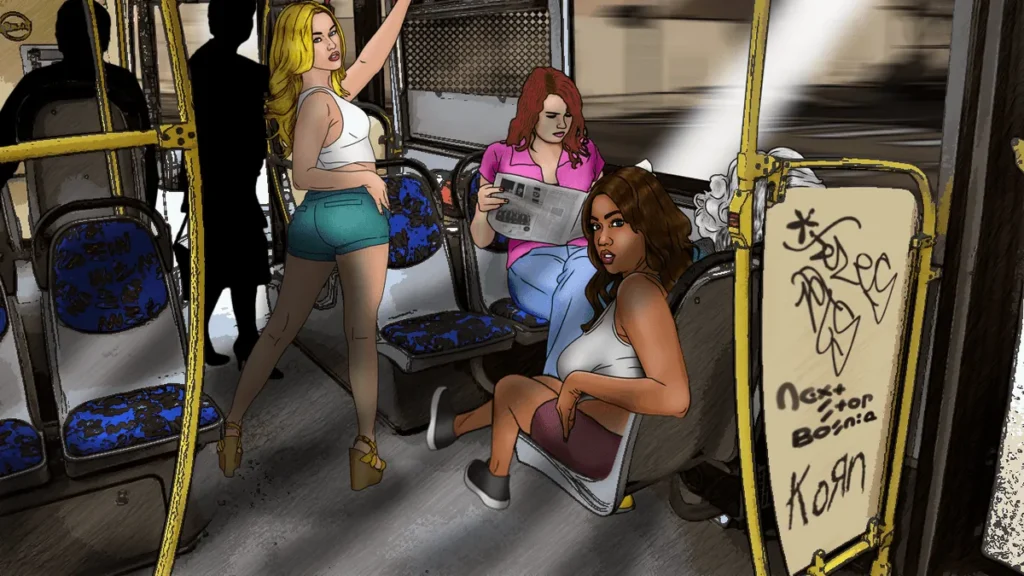
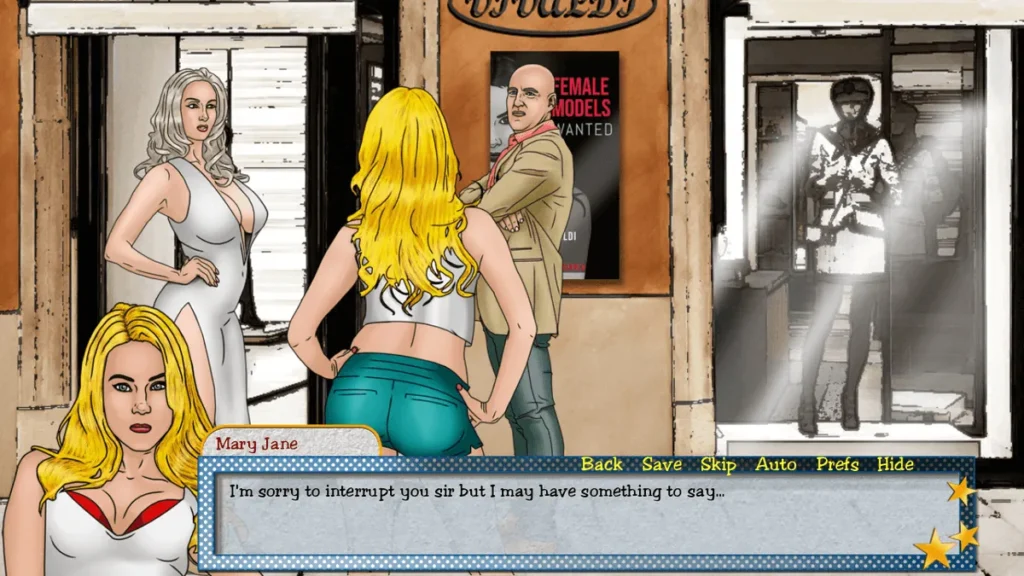
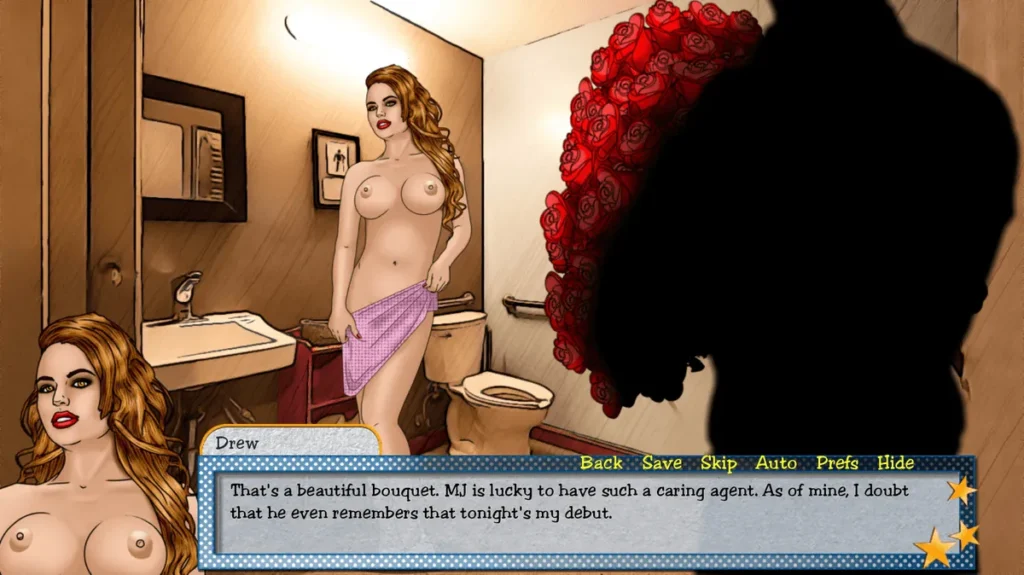
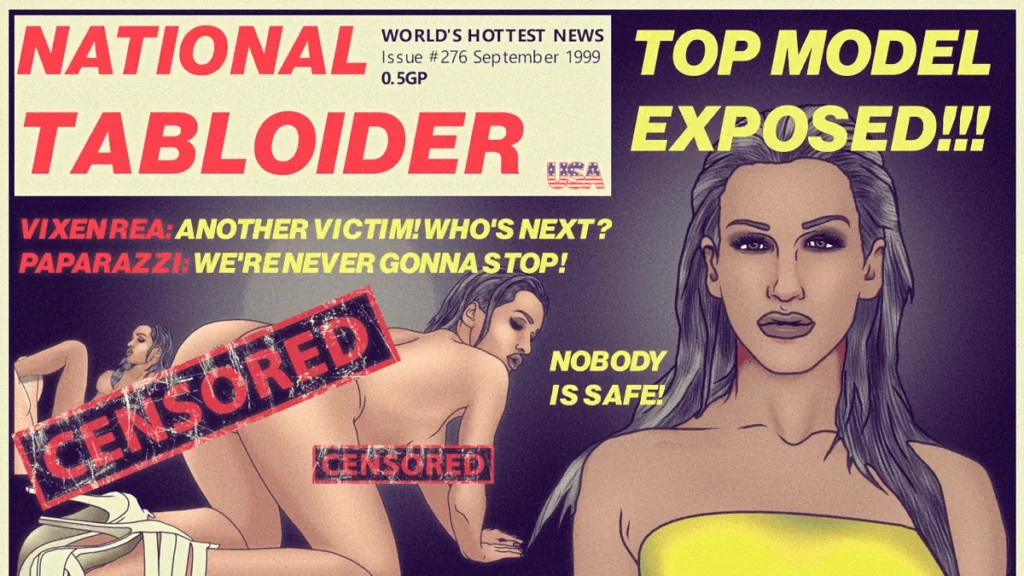
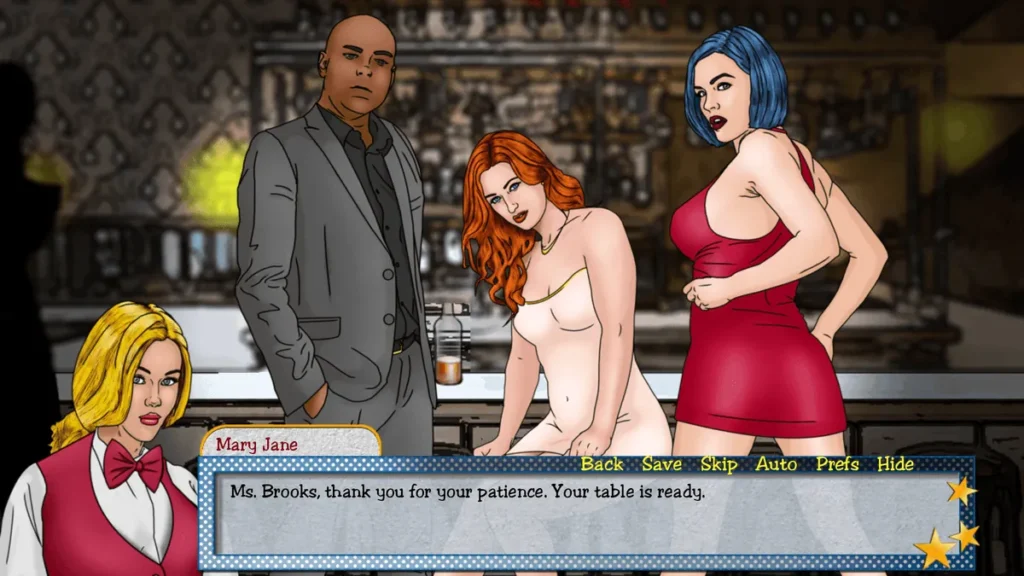
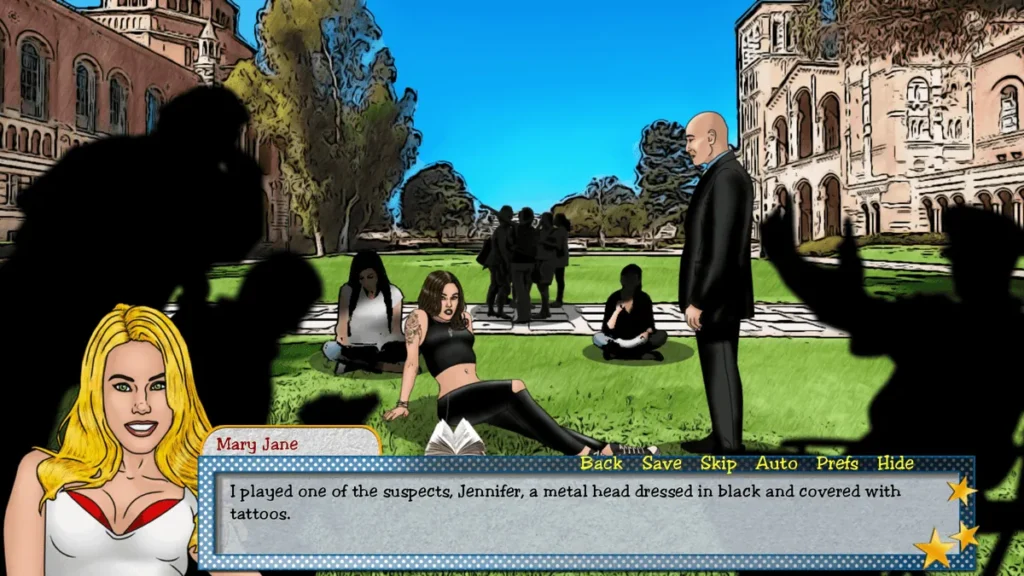
The visual design immerses you completely in this world. The art style mixes the polished look of classic visual novels with a distinct, late-90s aesthetic—think the glow of a CRT monitor, the texture of paper contracts, and the neon haze of a Sunset Strip bar. The soundtrack is a perfect mix of ambient tension and period-appropriate tracks that pull you deeper into the era. It’s a masterclass in environmental storytelling, making the 1999 Hollywood game setting feel lived-in and real.
In TableTop BornStar, you are the architect of a comeback story—both for your client and for yourself. Every strategic card play, every nerve-wracking dice roll at a critical story moment, and every narrative choice in this interactive storytelling game is a step toward redemption or ruin. It’s a game that respects your intelligence, challenges your strategic mind, and delivers a mature, compelling story that you genuinely feel you authored. If you’ve ever wanted a game where your choices have weight, your strategy has purpose, and the story is truly yours to tell, your next obsession has arrived.
TableTop BornStar represents an innovative approach to interactive entertainment by successfully merging visual novel storytelling with strategic tabletop gameplay. The game’s 1999 Hollywood setting provides a compelling backdrop for exploring themes of ambition, corruption, and moral complexity. With its emphasis on meaningful choices, diverse character interactions, and multiple possible endings, the game offers substantial replay value and player agency. The combination of stunning visuals, engaging narrative, and strategic dice-and-card mechanics creates an immersive experience that appeals to fans of both visual novels and tabletop gaming. Whether you’re interested in narrative-driven experiences or strategic gameplay, TableTop BornStar delivers a unique gaming experience that rewards thoughtful decision-making and exploration of different character paths.