The Survival of Sarah Rose
Play The Survival of Sarah Rose
The Survival of Sarah Rose Screenshots












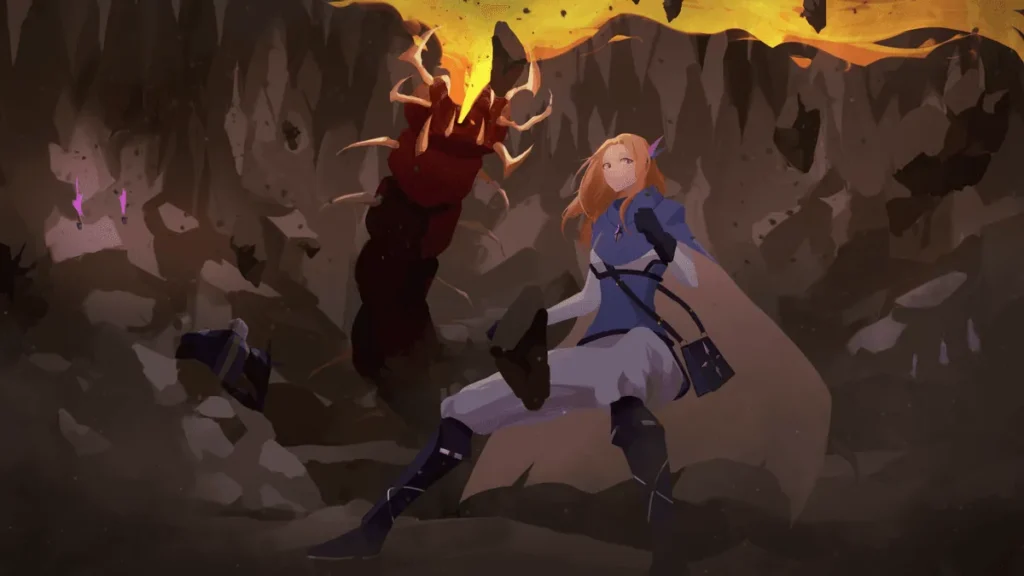


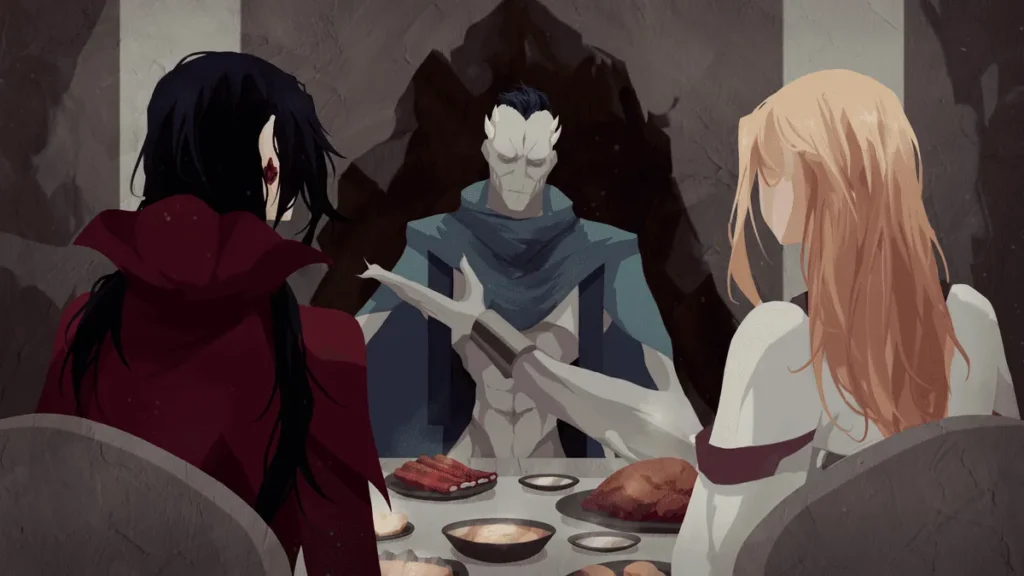
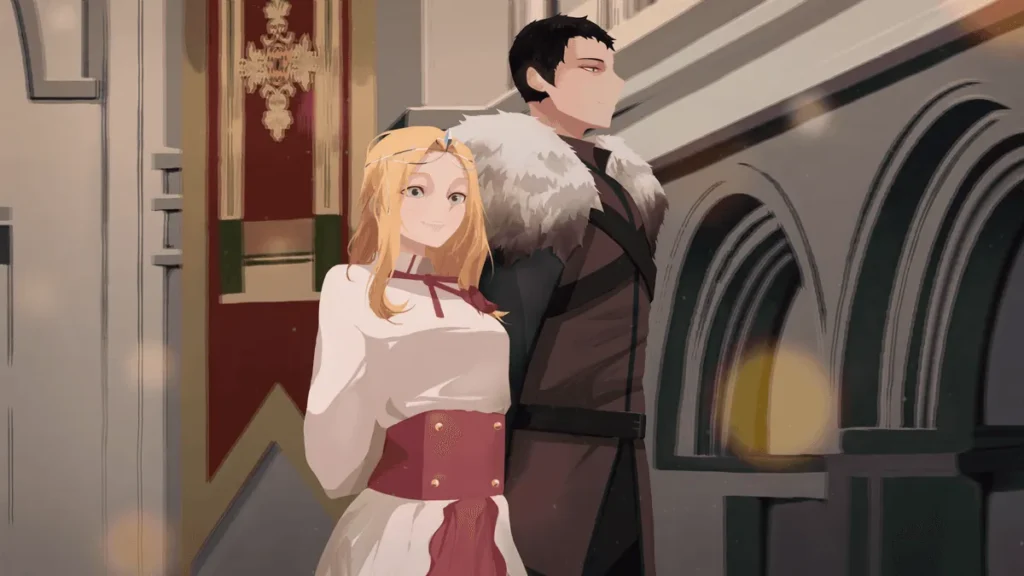


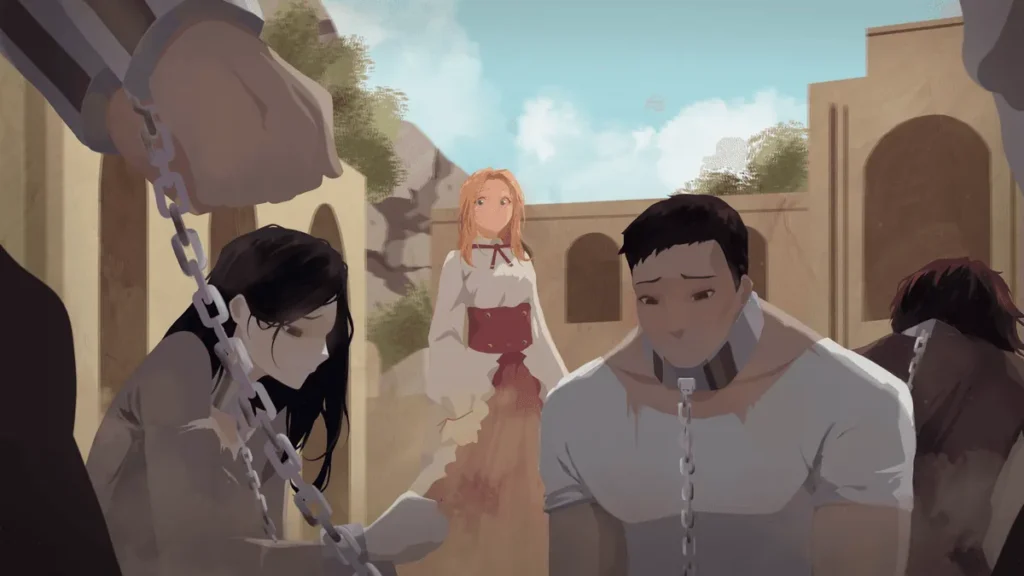










The Survival of Sarah Rose review
Explore storylines, character routes, and gameplay mechanics in this narrative-driven fantasy experience
The Survival of Sarah Rose stands out as a narrative-driven fantasy experience that combines deep storytelling with player choice mechanics. This game has garnered attention for its multiple character routes, including the Mage route and Crime route, each offering distinct storylines and character interactions. Players appreciate the blend of fantasy worldbuilding with meaningful narrative choices that impact how the story unfolds. Whether you’re interested in understanding the game’s core mechanics, exploring different character paths, or learning what makes this title unique, this guide covers everything you need to know about The Survival of Sarah Rose and its immersive gameplay experience.
Understanding The Survival of Sarah Rose: Core Gameplay & Story
So, you’ve started playing The Survival of Sarah Rose and you’re already hooked by the stunning art and gripping premise. But maybe you’re staring at your first big story choice, your cursor hovering, paralyzed by the thought: “What does this really change?” 🤔 I’ve been there. This isn’t a game where you casually click through; every decision carries weight, echoing through a beautifully crafted fantasy world. Let’s pull back the curtain on what makes this narrative-driven fantasy game so incredibly special.
What Makes The Survival of Sarah Rose Unique
At its heart, The Survival of Sarah Rose gameplay is a masterclass in marrying intense, choice-driven narrative with tangible mechanics that make you feel the struggle. This isn’t just reading a story; it’s living one. Many visual novels offer branches, but few make you acutely aware of the resources, relationships, and sheer willpower required to survive.
The core loop is brilliantly simple yet deeply engaging. You guide Sarah through a broken kingdom, making narrative choices that affect her spirit, cunning, and resolve—three core stats that are far more than just numbers. 🛡️ These stats unlock specific dialogue options, influence how other characters perceive you, and directly determine which major Sarah Rose character routes become available. Let’s say you consistently choose defiant, aggressive responses. Your Resolve will climb, opening up the possibility of the Warrior’s path. But in doing so, you might miss a subtle, Cunning-based option to sneak past a guard later, forcing a direct confrontation you could have avoided.
What truly sets this fantasy visual novel with choices apart is its “Survival Log.” This isn’t a passive journal. It’s an active, diegetic tool where Sarah processes events, her entries changing in tone based on your choices. A Sarah pushed toward cruelty will write with cynicism and anger. A Sarah shown compassion will pen hopeful, determined reflections. Your choices don’t just change the plot; they change her, and the log is your window into that evolution. It’s a subtle, powerful piece of player choice impact storytelling that I’ve rarely seen done this well.
Character Routes and Narrative Branches
This is where The Survival of Sarah Rose story truly blossoms. Early on, your foundational decisions steer Sarah toward one of three major archetypal paths: the Mage, the Criminal, or the Warrior. Calling them “routes” almost undersells them; they are fundamentally different lenses through which to experience the world, each with its own allies, enemies, moral dilemmas, and setpieces.
I remember on my first playthrough, I stumbled into the Mage route. I was fascinated by the ancient magic seeping through the world’s cracks. This path is all about knowledge, heritage, and the terrifying responsibility of power. Sarah grapples with arcane forces she barely understands, and her relationships are deeply intellectual, often centered on mentors and fellow scholars. The tone is one of wonder mixed with dread.
On a replay, I deliberately made selfish, pragmatic choices, leading me down the Crime route. Wow, what a contrast! 🎭 This is a grittier, street-level view of the kingdom. Here, survival isn’t about grand magic or honor; it’s about coin, information, and the sharpness of your knife. The story themes delve into loyalty among thieves, the gray morality of necessity, and whether you can keep your soul intact in the underbelly of society. The allies you meet here are rougher, more cynical, but often surprisingly loyal.
The Warrior route is a direct and brutal confrontation with the physical conflicts tearing the land apart. This path focuses on leadership, tactics, and the cost of justice. Sarah becomes a symbol on the battlefield, and her choices often determine the fate of entire communities. It’s a path of great heroism and profound sacrifice, asking if ends can ever justify violent means.
But here’s the genius: these routes aren’t siloed. They intersect constantly through a web of intersecting NPC encounters. A scholar you befriend on the Mage route might appear later on the Crime route as a desperate informant selling secrets. A soldier you spare on the Warrior path could become the leader of a refugee camp you visit as a Criminal. The world feels alive and continuous, with characters living their own lives beyond your immediate view. Their perspective of Sarah—as a savior, a threat, or a nobody—is entirely shaped by your prior interactions.
To help visualize these distinct journeys, here’s a breakdown:
| Route Name | Main Character Focus | Story Themes | Unique Features |
|---|---|---|---|
| The Mage’s Path | Pursuit of ancient knowledge & magical mastery. Sarah becomes a scholar of lost arts. | Heritage, the burden of power, the corruption of knowledge, sacrifice for greater understanding. | Deep magical puzzles, interactions with ancient spirits, ability to alter environments with spells. |
| The Crime Route | Survival through cunning, theft, and underworld dealings. Sarah becomes a shadow in the city. | Gray morality, loyalty vs. survival, the cost of freedom, building a found family. | Heists and stealth sequences, a reputation system with guilds, managing a hidden safehouse. |
| The Warrior’s Path | Direct conflict and martial leadership. Sarah becomes a beacon of resistance. | Honor, the trauma of war, tactical leadership, the price of peace. | Strategy-based conflict resolutions, troop morale management, legendary weapon quests. |
Player Choice Mechanics and Multiple Endings
This is the engine of the entire experience. The Survival of Sarah Rose gameplay is built on a deceptively complex system where every choice feeds into a larger narrative algorithm. It’s not just about “good vs. evil” or picking a love interest. It’s about shaping Sarah’s core identity and her web of relationships, which collectively funnel you toward one of the game’s many conclusions.
The most immediate mechanic is the Stat Threshold system. Your Spirit, Cunning, and Resolve scores act as keys. A conversation with a guarded elf lord might have a hidden “[Resolve 45+]” option. If your score is high enough, you can stare him down, earning his respect and unlocking a questline. If not, you must find a more diplomatic or deceptive path. This makes character building feel incredibly organic—you’re not just allocating points on a screen; you’re building a personality through actions.
Then comes the Relationship Vector system. Key characters don’t just have a simple “like-o-meter.” 🧭 Their opinion of you exists on a spectrum defined by two traits (e.g., Lieutenant Kael views you on axes of “Trust vs. Suspicion” and “Asset vs. Liability”). Your choices push these vectors in specific directions. Becoming a trusted Asset might get you elite resources, but pushing into full Trust could make him question orders for your sake, altering a critical late-game scene. This creates nuanced, believable relationships where characters react to the type of person you are, not just how much they “like” you.
All of this builds toward the crown jewel of its multiple endings game mechanics. We’re not talking about a simple “good, bad, and secret” ending here. The finale is a mosaic pieced together from:
* Your primary route (Mage/Crime/Warrior).
* The state of your key relationships (who stands with you, who opposes you, who is absent).
* Critical moral choices made at key junctures.
* The overall “health” of Sarah’s spirit, reflected in her Survival Log.
In one ending, Sarah might become a revered but lonely archmage, guarding forbidden knowledge. In another, she could be the ruthless queen of the underworld, ruling from the shadows. Another might see her sacrifice herself to broker a fragile peace, becoming a legend sung by bards. The variations are vast and deeply satisfying because they feel like a direct, logical culmination of your journey. This profound player choice impact storytelling ensures no two players will have an identical experience.
“I thought I was just playing a game, but by the end, I was grieving choices I made ten hours earlier. Unlocking the ‘Found Family’ ending on my third playthrough literally made me cry—it felt earned in a way few stories ever achieve. This is deep, personal storytelling.” — A player’s experience with the narrative.
The true magic of The Survival of Sarah Rose is that it respects your intelligence and your time. It understands that the most powerful fantasy is one where you have real authorship. Your Sarah Rose is unique. Her triumphs, her regrets, her relationships, and her ultimate fate are penned by your hand. This narrative-driven fantasy game doesn’t just tell you a story about survival; it makes you live through every heart-pounding, thought-provoking moment of the struggle. So go ahead—make that choice you’re hesitating over. See where it leads. The story is waiting.
The Survival of Sarah Rose delivers a compelling experience that prioritizes narrative depth and meaningful player agency. The game’s multiple character routes—including the Mage, Crime, and Warrior paths—provide distinct storylines that reward exploration and replay value. What sets this title apart is its commitment to storytelling quality, where players genuinely engage with character development and world-building rather than treating narrative as secondary. The intersecting NPC encounters create a dynamic world where characters remember Sarah’s choices and evolution, adding layers of immersion. For players seeking a fantasy experience where their decisions genuinely matter and where the story justifies extended playtime, The Survival of Sarah Rose offers a rich, engaging adventure worth experiencing across multiple routes.