Short Sad Stories
Play Short Sad Stories
Short Sad Stories Screenshots


Short Sad Stories review
Dive into heartfelt choices and poignant narratives in this captivating game
Imagine stepping into a world where every choice tugs at your heartstrings, mirroring your own hidden regrets. That’s the magic of Short Sad Stories, the visual novel by Pent Panda that blends interactivity with inevitable melancholy. As a dreamy girl named Alice navigates the blur between reality and fantasy, you’ll make decisions that shape her emotional journey through loss, hope, and self-deception. I’ve replayed it multiple times, each path revealing new layers of heartbreak. Whether you’re drawn to Short Sad Stories gameplay or its branching narratives, this guide uncovers why it’s a must-play for emotional gaming fans. Let’s explore what makes this title resonate so deeply.
What Makes Short Sad Stories Gameplay So Unforgettably Moving?
I still remember my first night with Short Sad Stories. I’d settled in, expecting a melancholic tale, but I wasn’t prepared for the raw, quiet ache it left in my chest. It wasn’t about a sudden, dramatic tragedy; it was a slow, sinking realization, meticulously built by my own hands through every seemingly small decision I made. This is the magic of Short Sad Stories gameplay. It doesn’t just tell you a sad story—it makes you an active, complicit architect of its melancholy. The emotional punch doesn’t land because of a scripted event; it lands because you, the player, gently guided it home. 🕯️
This guide is about that unique alchemy. We’re diving deep into what makes this narrative-driven experience so profoundly affecting, focusing on the systems that turn passive reading into personal remembrance.
How Player Choices Reshape Alice’s Heartbreaking Path
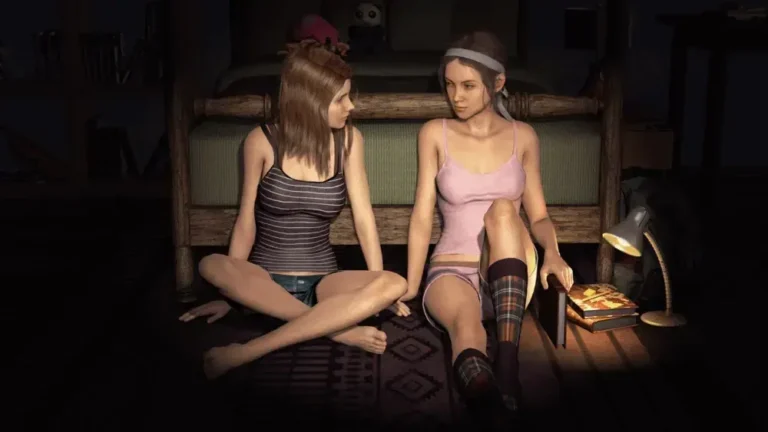
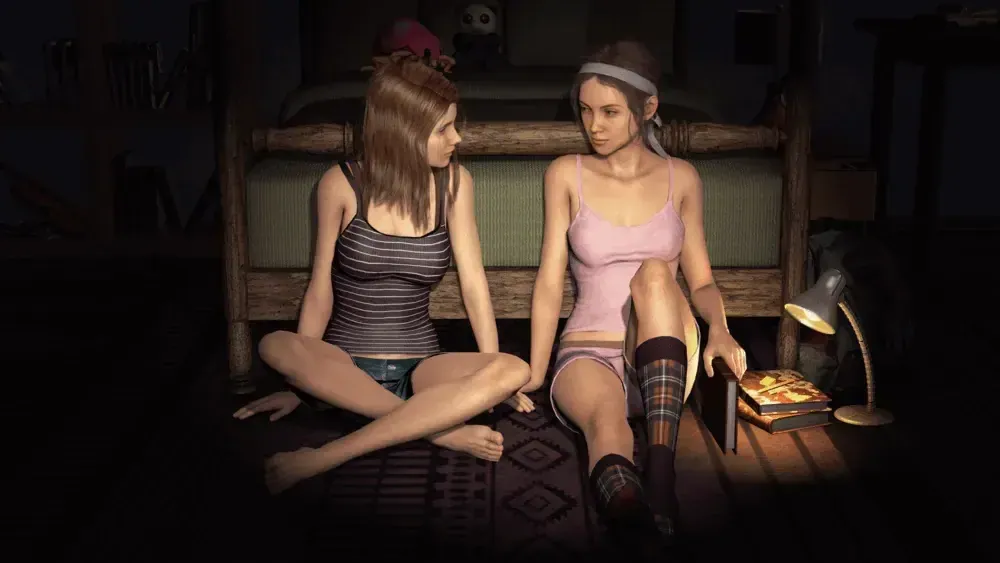
At the heart of this experience is Alice Short Sad Stories. You don’t watch her story; you navigate her memory. The genius of the player choices in Short Sad Stories is that they rarely feel like grand, world-altering commands. Instead, they are intimate whispers: Do you keep this faded photograph or let it go? Do you replay this particular memory or shy away from its pain?
I learned this the hard way. In my first playthrough, I tried to be a “fixer.” When presented with mementos of Alice’s past, I aggressively curated, discarding items that seemed painful and clinging to ones that hinted at happier times. I thought I was helping her move on. The game, in its beautiful, subtle way, showed me I was wrong. By refusing to let her sit with certain memories, I crafted an Alice who was brittle, who had edited her own history into a palatable but incomplete fiction. The ending I reached felt hollow, a sad kind of quiet where the real tragedy was the loss of truth.
This is the core of its branching narratives. Each choice—a kept ticket stub, a re-read letter, a dialog option that either confronts or comforts—doesn’t change the fundamental facts of Alice’s life. What it changes is how she carries them. Does she find a fragile peace by reconciling with her past, or does she drift into a lonely, beautiful fantasy? Your path shapes her emotional resolution, leading to distinctly poignant Short Sad Stories multiple endings. One playthrough might end with cathartic tears at a graveside; another might end with her smiling at a phantom in an empty room. Both are devastating in their own way.
Core Mechanics: Interactivity Meets Emotional Inevitability
So, how does it feel to play? The emotional game mechanics of Short Sad Stories are deceptively simple, yet each action is weighted with meaning.
- The Inventory of the Heart: Much of the gameplay revolves around interacting with objects in Alice’s space. A music box isn’t just a texture; you open it, wind it, and decide whether to place it back on the shelf or tuck it into a “keep” box. This act of physical curation is a direct metaphor for emotional processing. Dragging that photograph into the discard pile feels shockingly final.
- Memory Replay: Certain objects allow you to relive snippets of the past. Here’s the twist: replaying a memory doesn’t change it. You watch the same scene, but with new context from your current journey. A happy memory watched after a painful revelation feels bittersweet; a sad memory revisited after a moment of growth might reveal a hidden layer of love. This mechanic brilliantly reinforces that the past is fixed, but our understanding of it is not.
- Environmental Storytelling: The spaces themselves tell a story. A slowly dying plant, the changing light through a window, the accumulating dust or lack thereof—all reflect Alice’s internal state, which is, in turn, shaped by your prior choices.
To see how these mechanics weave together across different paths, let’s break down the major narrative threads:
| Story Arc Theme | Core Interactive Mechanics | Emotional Payoff |
|---|---|---|
| The Path of Reconciliation | Keeping balanced mementos (joy & pain), replaying difficult memories to completion, choosing dialog that acknowledges hurt. | A somber, grounded ending. Alice is still sad, but there’s a sense of clarity and fragile acceptance. The sadness has a purpose. |
| The Path of Escape | Discarding all painful items, exclusively replaying happy memories, avoiding confrontational dialogue. | A surreal, visually beautiful but lonely ending. Alice retreats into a constructed fantasy. The sadness is muted but omnipresent, like a background hum. |
| The Path of Obsession | Hoarding every single item, obsessively replaying one specific traumatic memory, fixating on accusatory dialogue options. | A raw, abrasive ending. Alice is stuck in a loop of anger and grief. The sadness is acute and unresolved, leaving the player feeling drained. |
Why Multiple Playthroughs Reveal Deeper Layers of Sadness
You might think a game built on narrative-driven sad stories would be a one-and-done experience. For Short Sad Stories, the opposite is true. This is where the gameplay truly shines and reveals its depth. ✨
My second playthrough was a revelation. I decided to take the “Path of Escape,” deliberately building Alice’s fantasy world. Knowing the core truth of the story, I saw every choice in a new light. When I discarded a painful letter, I wasn’t “helping” anymore; I was an accomplice in her denial. The happy memories I replayed felt like watching a play, beautiful but performative. The ending, which was serene and dreamlike, hit me harder than my first “failed” one. I understood the cost of that peace.
This is the masterstroke. The game’s structure encourages you to walk these different branching narratives not to find a “good” ending, but to understand the full spectrum of grief. Each path highlights facets of the others. You appreciate the courage of Reconciliation only after seeing the emptiness of Escape. You understand the danger of Obsession only after feeling the release of letting go.
My actionable advice? Play blind first. Go with your gut. Don’t save-scum (reload saves to test choices). Let your first ending be yours. Then, take a breath, and return. You’ll approach the player choices in Short Sad Stories with new intentionality, and the story will unfold like a complex, heartbreaking flower.
By making you complicit, Short Sad Stories forges an unforgettable bond between player and character. You’re not a spectator to Alice’s sadness; you’re her collaborator. This active participation in crafting the emotional outcome is what redefines the potential of narrative-driven experiences. It proves that true emotional power in games doesn’t come from simply witnessing a story, but from using emotional game mechanics to feel the weight of its construction in your own hands. The sadness sticks with you because, in a very real way, you helped build it.
Frequently Asked Questions
Q: Do my choices actually change the main story, or just the ending?
A: The core facts of Alice Short Sad Stories remain fixed—think of them as the foundation of a house. Your player choices determine everything built on top: the interior design, the atmosphere, and who Alice becomes within those walls. You change the emotional narrative, not the historical events.
Q: How many endings are there, and how long to see them all?
A: There are several core Short Sad Stories multiple endings, with subtle variations. A single playthrough takes 1.5-2 hours. Seeing all major branches might take 4-6 hours, as you can make significantly different choices on subsequent runs.
Q: I’m stuck on a certain path. Should I use a guide?
A: For your first playthrough, we strongly recommend against it! The impact comes from the personal journey. If you’re on a later replay and aiming for a specific emotional outcome, then a guide can help you understand the key decision points.
Q: Is there a “best” or “true” ending?
A: The game intentionally avoids this. Each ending is a valid, nuanced response to grief. Some may feel more cathartic or “healthy” to you personally, but there’s no canonical “win” state. The value is in understanding each perspective.
Q: How replayable is it really, since I know the story?
A: Extremely. Knowing the truth allows you to appreciate the profound dramatic irony in every player choice. You’ll notice new details in the environments and dialogue, and you’ll approach the emotional game mechanics with a different, more insightful goal. It becomes a study in grief, not just a story about it.
Short Sad Stories isn’t just a game—it’s a mirror to our own fragile hopes and quiet sorrows, brought alive through Alice’s journey and your guiding choices. From curating memories to embracing inevitable loss, every interaction leaves a lasting imprint. I’ve found myself reflecting on my own life long after closing the game, a testament to its profound design. If you’re ready for an emotional adventure that blends interactivity with raw feeling, dive into Short Sad Stories today. Play it, feel it, and let it change how you see storytelling. Your heart will thank you—or break beautifully trying.