The Theater of Sinners
Play The Theater of Sinners
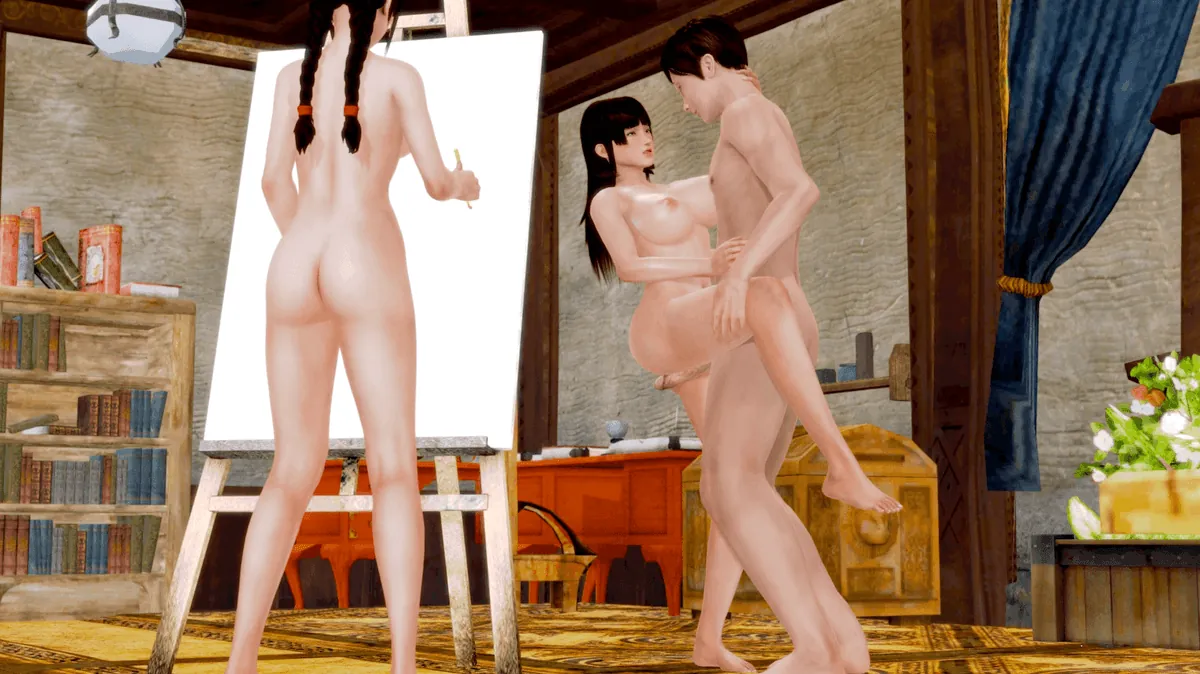
The Theater of Sinners Screenshots
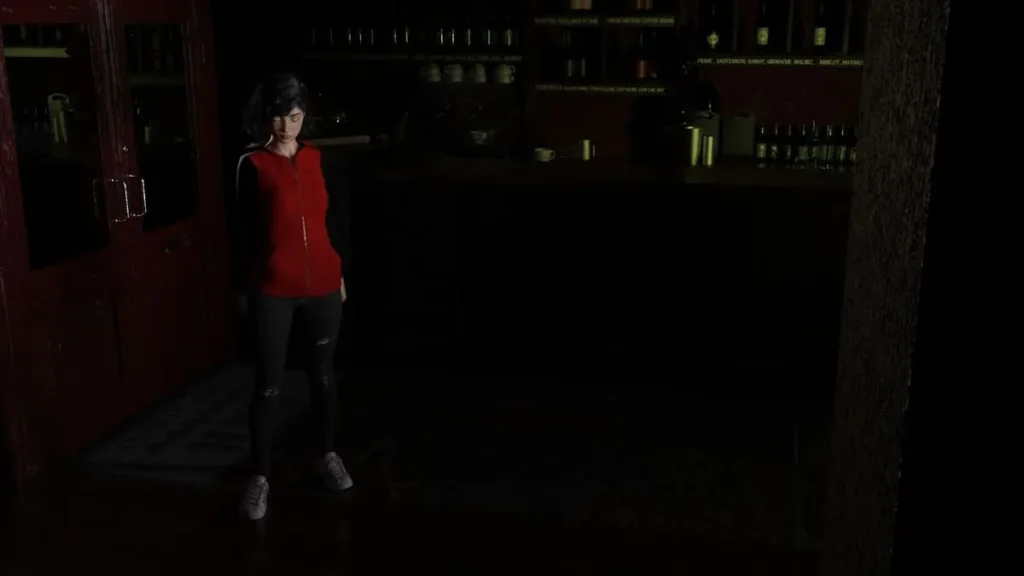
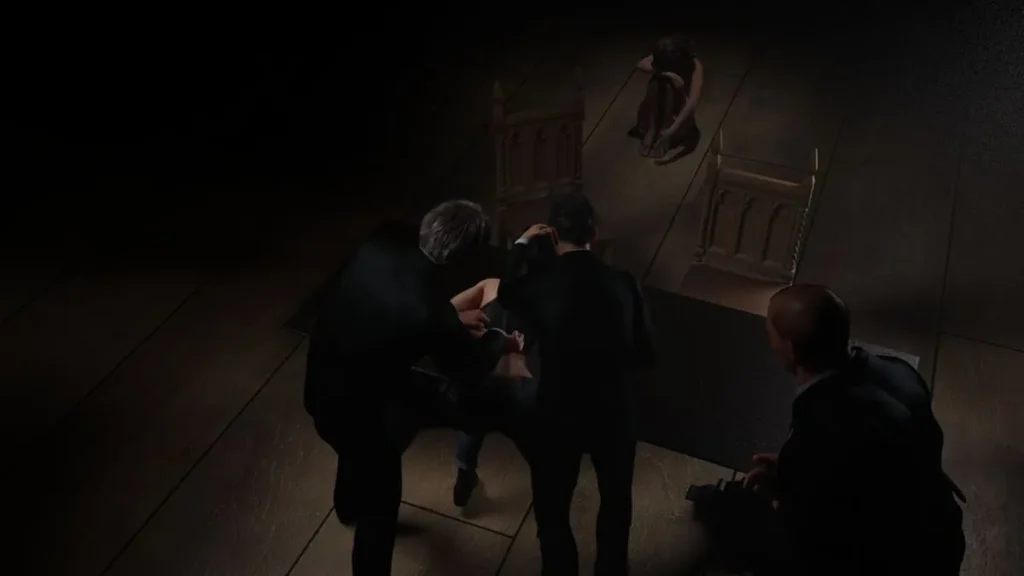
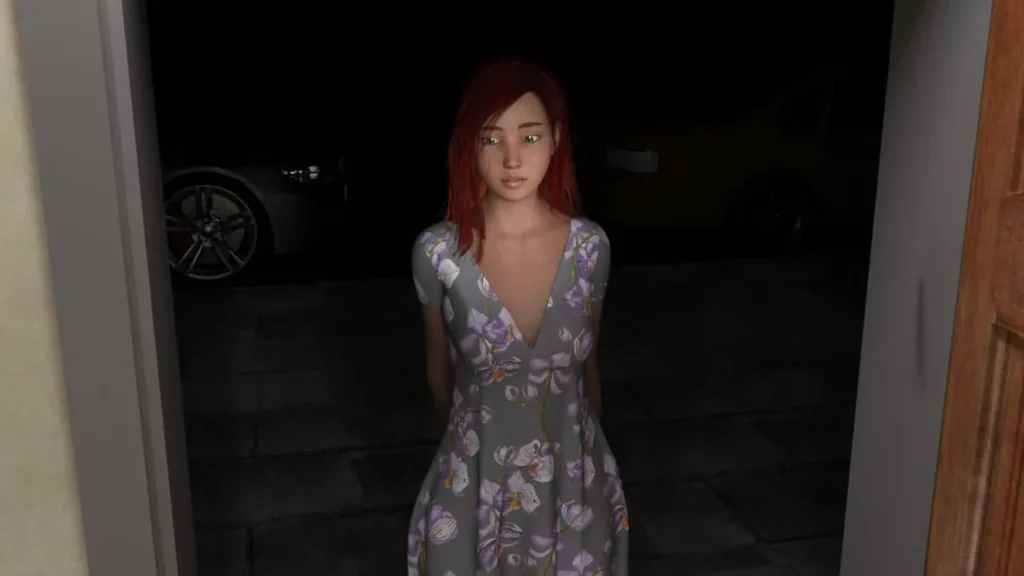
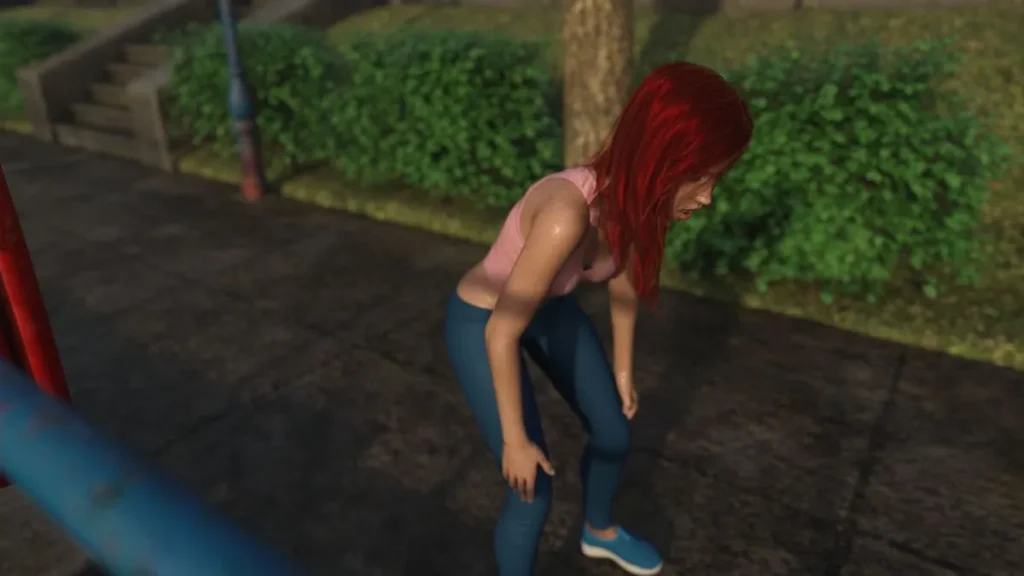
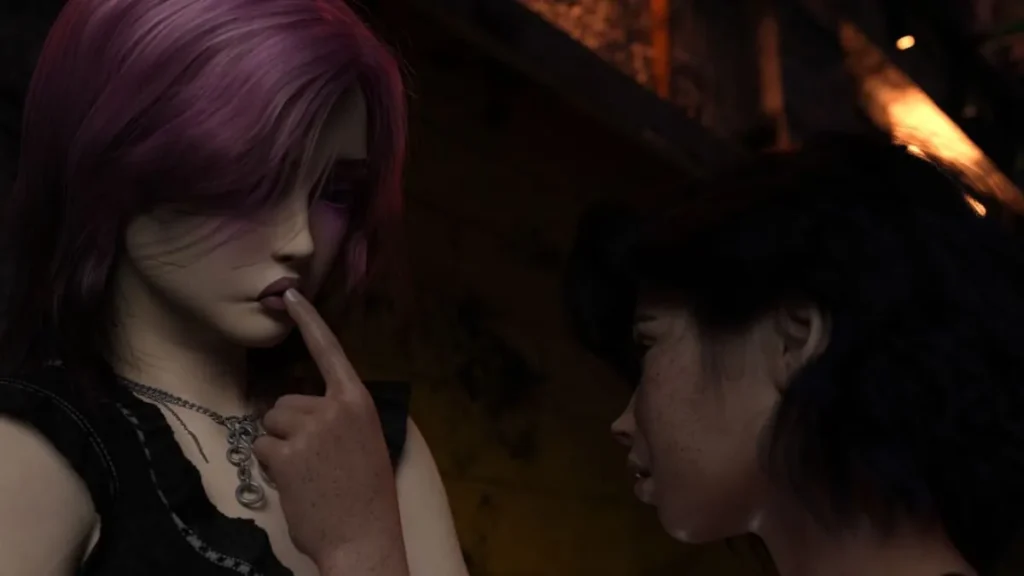
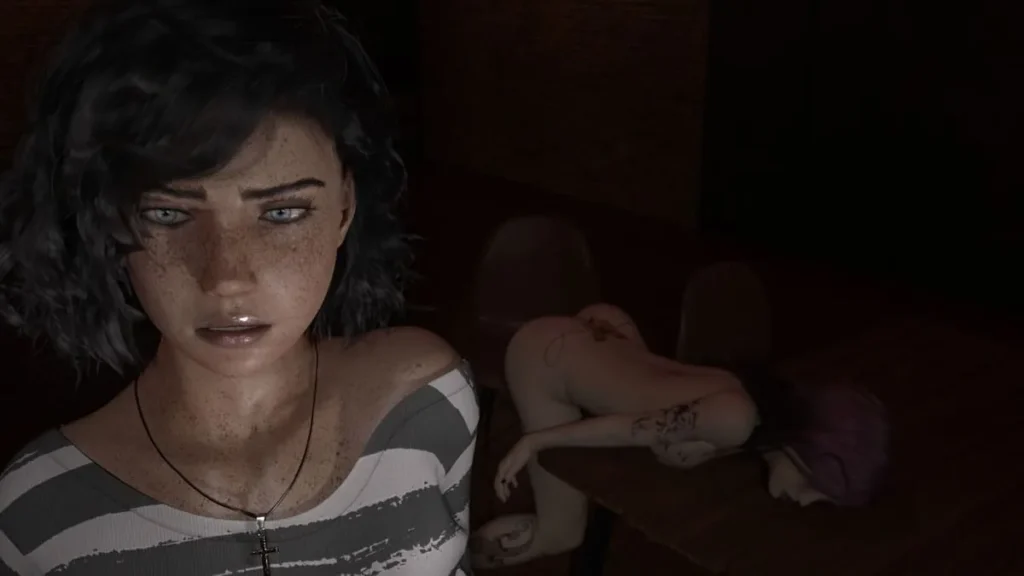


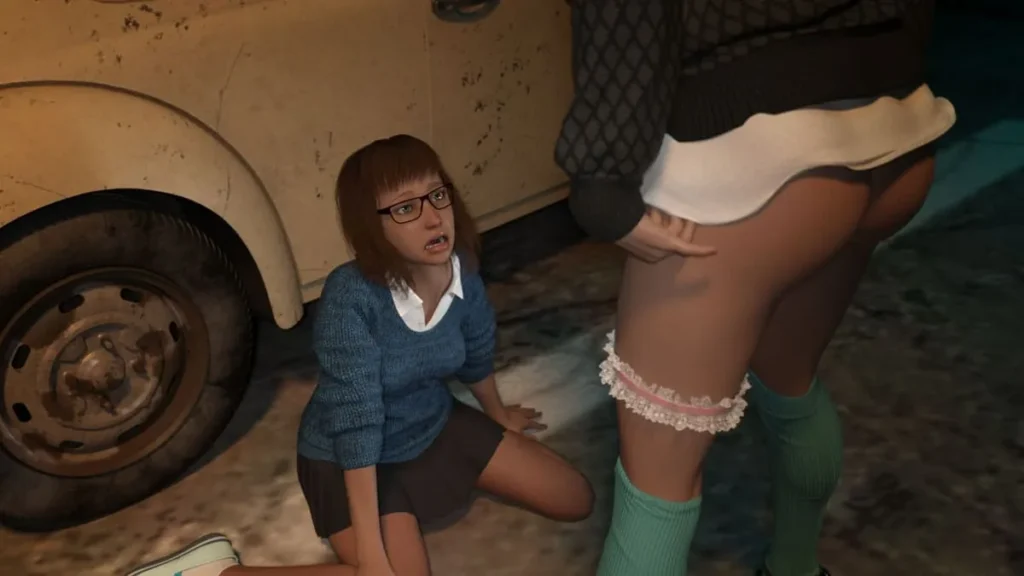
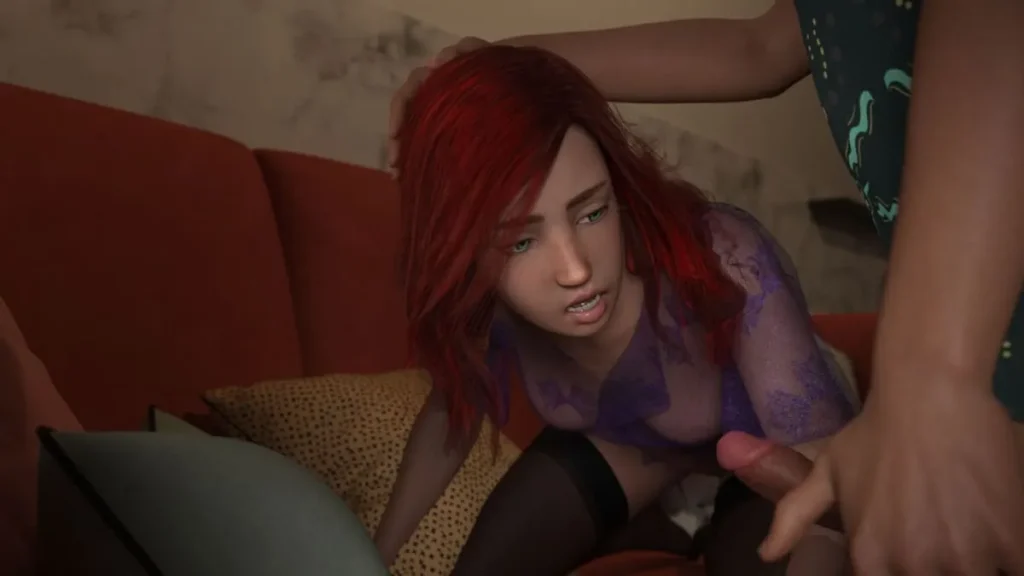
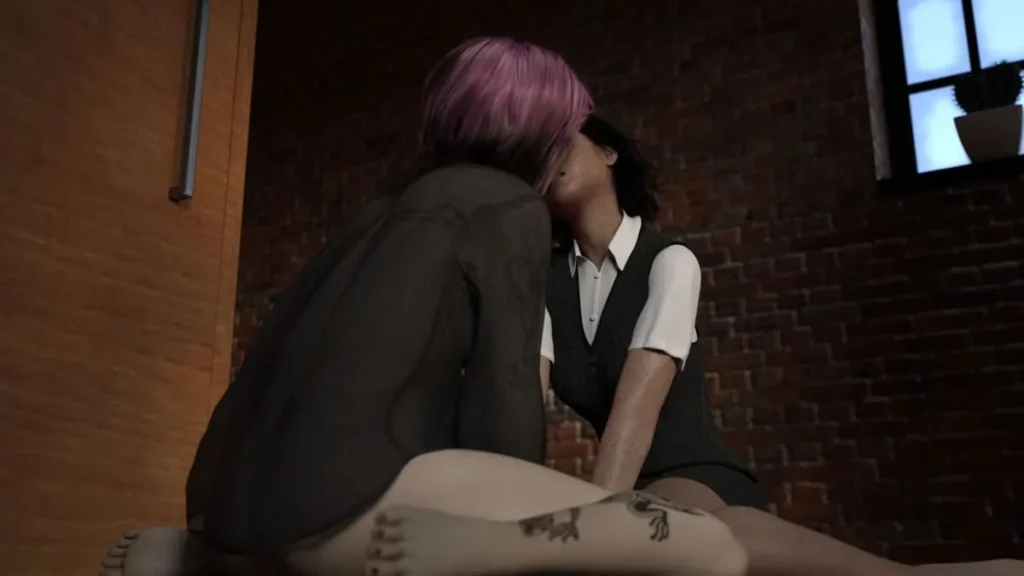
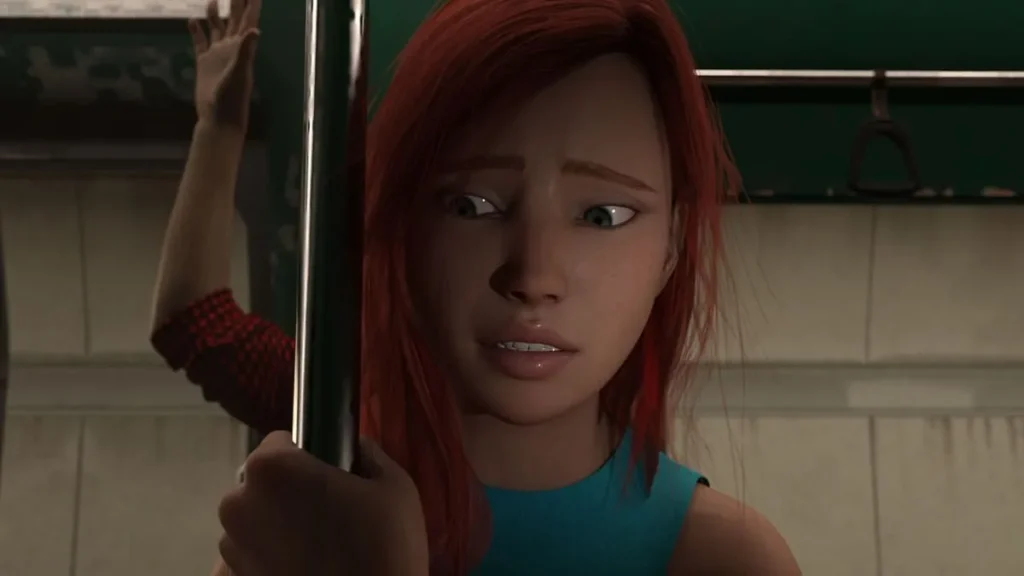


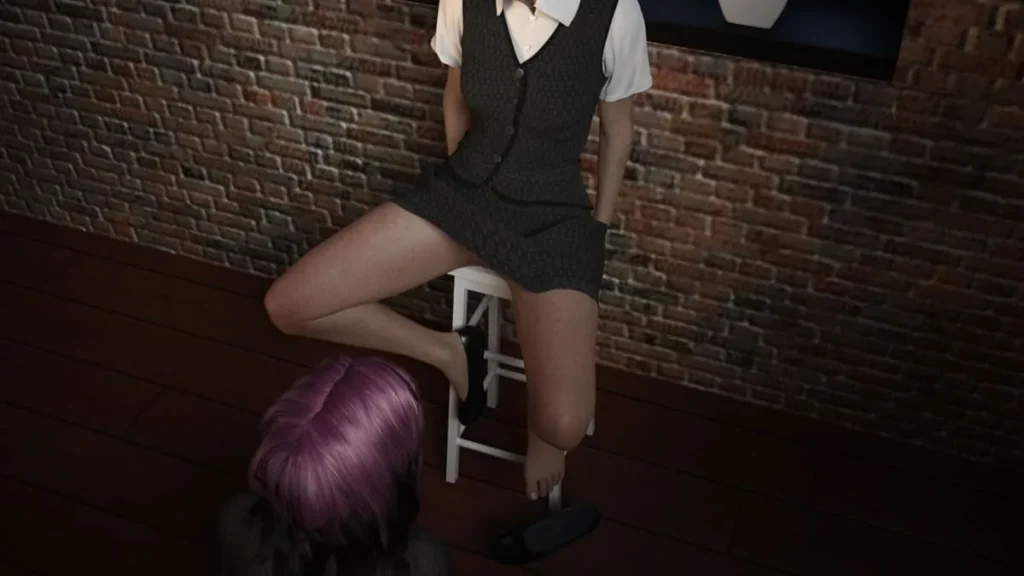
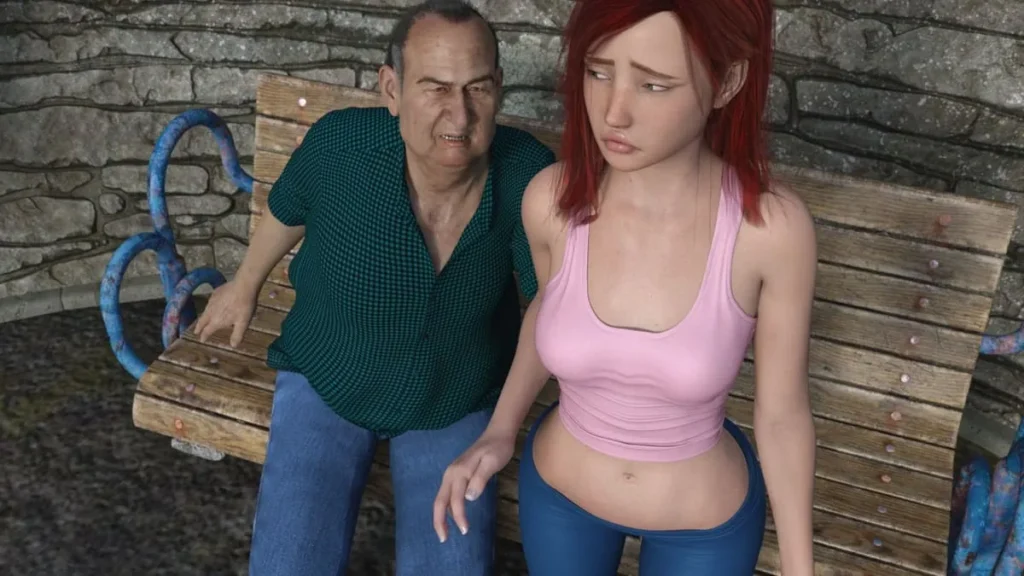
The Theater of Sinners review
Explore the psychological horror visual novel with branching narratives and complex character development
The Theater of Sinners stands as a distinctive decision-based visual novel that blends psychological horror with mature storytelling. Developed by JustXThings, this Ren’Py game immerses players in a morally ambiguous world where choices genuinely matter. The narrative follows multiple protagonists navigating trauma, corruption, and redemption within an enigmatic theater setting. Whether you’re drawn to character-driven narratives, branching storylines, or psychological depth, this guide explores everything you need to know about this compelling interactive experience. Understanding the game’s mechanics, themes, and character arcs will enhance your journey through its twisted yet captivating world.
Understanding The Theater of Sinners: Game Overview and Core Mechanics
Ever had that moment in a game where you make a choice, and it feels… weightless? Like the story was going to roll on with or without you? I remember playing a famous RPG years ago, picking a seemingly major dialogue option, only to receive a slightly different voice line before being shunted right back onto the main track. It was disappointing. 🎮 I wanted my decisions to matter, to fracture the narrative into a path that felt uniquely, sometimes painfully, mine.
If you’ve ever felt that same itch for true agency, then welcome to The Theater of Sinners. This isn’t just another visual novel; it’s a meticulously crafted interactive storytelling game built in the Ren’Py engine that puts the power—and the responsibility—firmly in your hands. Forget about good or evil endings; here, we deal in psychological shades of grey, where every whispered secret and every defiant shout echoes through the halls of a most peculiar theater.
### What Makes This Visual Novel Unique? 🎭
At its core, The Theater of Sinners is a Ren’Py psychological horror game that masterfully trades epic sword fights for internal battles. The premise is immediately gripping: you navigate a hidden, surreal theater where the world’s wealthy and powerful settle their most profound scores not in boardrooms, but through elaborate, personalized performances. Imagine a place where your deepest guilt, fear, or sin isn’t just remembered—it’s staged, cast, and performed for a shadowy audience of peers.
This theater is less about velvet curtains and more about raw human psychology draped in a supernatural veil. The developer has focused intensely on blending eerie, fantastical elements with painfully relatable human struggles. You won’t be fighting dragons; you’ll be grappling with trauma, pride, desperation, and morality. The theater itself is the perfect metaphor: we all have stages in our minds where our personal dramas play out, and this game literalizes that in a hauntingly beautiful way.
Currently in version 0.3 ALPHA 1 and free to play on Windows, macOS, and Linux, the game presents four interleaved protagonist stories. You might guide a disillusioned artist one night, and a desperate heir the next, with their tales subtly woven together by the theater’s enigmatic owner. This structure creates a fascinating tapestry, suggesting that all these “sinners” are part of a grander, more disturbing production.
### How Decision-Based Gameplay Works ⚖️
So, how does this consequence-driven gameplay actually function? Let me tell you about my first hour with the game. I was playing as Leo, a pianist grappling with a stolen composition. Early on, I was confronted by the person I wronged. The game presented me with a few options: a defiant denial, a cold dismissal, or a shaky apology. Thinking I could “game” the system, I chose the apology, assuming it was the “good” route.
The game didn’t give me a morality point. Instead, my choice subtly altered Leo’s demeanor in the next scene. He was softer, but also consumed by more anxiety. Later, when a different character challenged him, that earlier apology had secretly weakened his “Resolve” stat, locking me out of a more assertive, potentially beneficial response. The consequence wasn’t a game-over screen; it was a quiet, lingering shift in who my character could be. That’s the magic of this decision-based visual novel.
The Theater of Sinners gameplay mechanics are built on a simple but profound principle: choices are human, not mechanical. They ripple outwards.
* Order Matters: The sequence in which you experience events can influence outcomes. Talking to Character A before witnessing Event B might open a dialogue option that would otherwise remain locked, because your character’s knowledge and emotional state have changed.
* The Obvious and The Subtle: Some choices are clear forks in the road—”Do you investigate the mysterious noise or flee?” Others are deceptively simple, like deciding how to deliver a line of dialogue. Tone is everything. A sarcastic remark might raise one stat, while a sincere question might branch the narrative toward a more trusting, but also more vulnerable, relationship path.
To help visualize how these systems intertwine, here’s a breakdown of the choice ecosystem you’ll be navigating:
| Decision Types | Primary Impact | Typical Story Outcome Influence |
|---|---|---|
| Stat-Raising Choices | Modifies a core character attribute (e.g., Courage, Cunning, Empathy). This changes *how* your character can interact with future challenges. | Indirect. A high “Cunning” stat might unlock a clever solution to a later problem, leading to a less harsh outcome for that specific scene. |
| Story-Branching Choices | Directly alters the narrative path, opening or closing entire scenes, character interactions, and revelations. | Direct. These are the major forks that can steer the plot toward significantly harsh or more merciful consequences, defining your unique story thread. |
This seamless blend is what makes the branching narrative choices so compelling. You’re not just picking “Option C” for the “Cunning” ending. You’re shaping a personality in real-time, and the story world reacts to that personality. It’s a brilliant feedback loop that makes every playthrough feel personal and earned.
### Character Stats and Story Branching System 📊
Now, let’s dig into the engine under the hood: the character stat system visual novel elements. This isn’t about making your character “level up.” It’s a psychological profile. Each protagonist has a unique set of core stats. For example, one might have “Pride,” “Guilt,” and “Artistry,” while another has “Fear,” “Loyalty,” and “Ambition.”
These stats are the currency of your agency. My big “aha!” moment came during a second playthrough. In my first run as Mara, a woman searching for a missing sibling, I leaned hard into “Assertiveness.” This made her blunt and effective, but it also burned bridges with a potential ally who valued “Diplomacy.” That ally later had crucial information, which I never received, leading to a tragic, blind conclusion for Mara’s story.
On my second try, I balanced “Assertiveness” with “Empathy.” This didn’t just change a few lines; it unlocked a whole new middle act where that ally became a confidante, revealing a secondary plot about the Theater’s history that completely recontextualized Mara’s quest. This is the power of the system—stats are keys that unlock different rooms in the same narrative mansion.
The game’s greatest trick is making you forget you’re managing stats at all. You’re just being a person, with all the contradictions and regrets that entails.
Here’s how the branching works in practice:
1. Subtle Influence: A medium “Courage” stat might let you attempt to stand up to a bully, but the success and consequences of that attempt could depend on another stat, like “Cunning,” or a prior branching narrative choice you made hours ago.
2. Hard Locks: Certain narrative branches are gated behind stat thresholds. To pursue the path of defiant rebellion against the Theater, your “Defiance” stat may need to be cultivated from the very beginning. You can’t just decide to be rebellious at the climax; the game asks, “What kind of person have you been all along?”
3. Interleaved Stories: The choices and stats from one protagonist’s story can have whisper-echoes in another’s. You might see a newspaper headline referencing an event you caused, or meet a side character whose disposition toward you has been pre-shaped by the actions of a different sinner you controlled. It creates a cohesive, living world.
This intricate design ensures that The Theater of Sinners gameplay mechanics are always serving the story. You’re not grinding for experience points; you’re living with the psychological fallout of every decision. Will you cultivate your character’s “Curiosity” to uncover the Theater’s darkest secrets, even if it risks their sanity? Or will you bolster “Obedience” to survive the performance, at the cost of your own soul?
This deep, consequence-driven gameplay is what sets the experience apart. It’s a game that trusts you with fragile, complex characters and a narrative that can splinter in profoundly meaningful ways. It understands that the most gripping horror isn’t always a monster jump-scare—sometimes, it’s the slow-dawning realization of a choice you made an hour ago, and the irreversible path you’ve now walked onto. Your curtain is rising. What role will you play?
The Theater of Sinners represents a bold approach to interactive storytelling, prioritizing narrative consequence and character depth over traditional game mechanics. This decision-driven visual novel challenges players to navigate morally complex situations where choices genuinely shape character development and story outcomes. The game’s commitment to psychological horror, character-driven plotting, and thematic exploration of trauma and redemption creates a uniquely compelling experience for mature audiences. Whether you’re drawn to branching narratives, complex character arcs, or psychological depth, The Theater of Sinners offers a distinctive interactive journey. If you appreciate character-focused storytelling and don’t shy away from mature themes, this game deserves your attention. Start your journey into the Grand Theater of Shadows and discover how your choices will reshape the destinies of its complex protagonists.